The Optimal Frequency for Pressure Washing Your Home
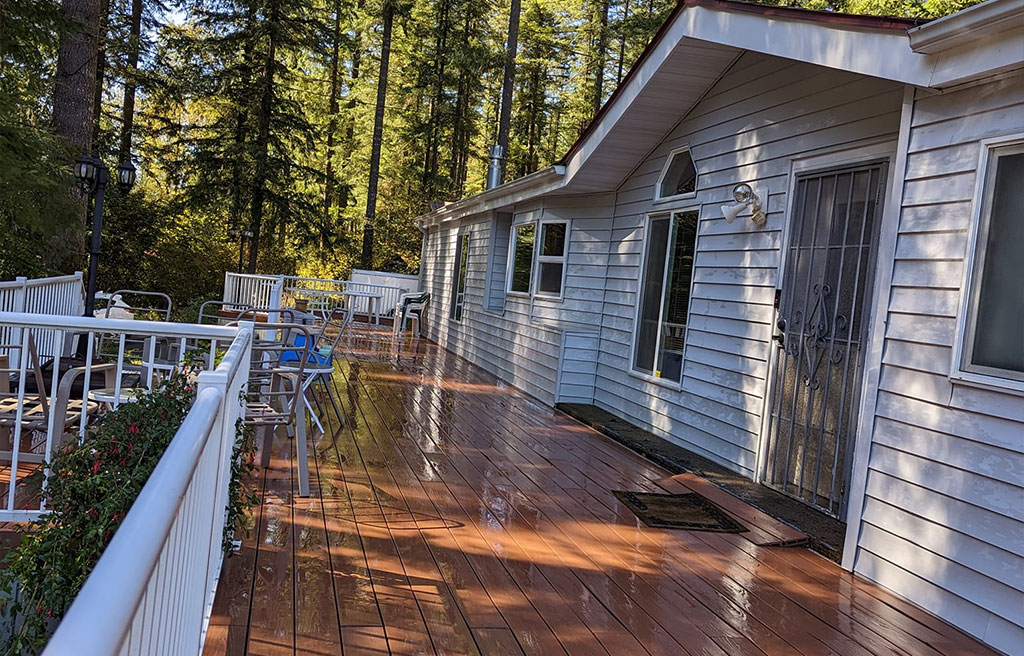
Maintaining the exterior of your home is not just about aesthetics; it’s also about preserving its structural integrity and safeguarding its value. Pressure washing, a powerful cleaning method, can effectively remove dirt, grime, mold, and other contaminants that accumulate over time. However, finding the right balance in how often to pressure wash is crucial. In this essay, we will explore the factors that influence the frequency of pressure washing and provide practical guidelines for homeowners. The Benefits of Regular Pressure Washing Regular pressure washing offers a multitude of advantages for homeowners. It enhances the curb appeal of your property, giving it a fresh and inviting look. Moreover, it helps to maintain the longevity of various exterior materials, preventing premature wear and tear. By removing built-up dirt and mold, pressure washing also contributes to a healthier living environment. Factors Influencing Pressure Washing Frequency Several factors play a role in determining how often a home should be pressure washed. Climate and Environmental Conditions Regions with high humidity, coastal locations, or areas prone to heavy rainfall may require more frequent pressure washing. Salt and moisture can quickly accumulate, leading to faster surface deterioration. Likewise, homes in arid climates may accumulate dust and dirt more slowly. Different materials have varying tolerances to dirt and grime. For instance, wood and porous surfaces may require more frequent cleaning compared to metal or vinyl, which are typically more resistant to staining and degradation. Homes surrounded by trees, shrubs, or other vegetation may accumulate organic debris more quickly. This can lead to mold growth, discoloration, and a less appealing appearance, necessitating more regular pressure washing. High-traffic areas, such as driveways or frequently used walkways, tend to accumulate dirt and stains more rapidly. Homes with busy households or commercial properties may benefit from more frequent cleaning to maintain a clean and inviting atmosphere. Every type of exterior surface has its own set of considerations when it comes to pressure washing frequency. Wooden decks, siding, and fences benefit from regular cleaning to prevent mold growth, wood rot, and discoloration. Typically, an annual or bi-annual cleaning is sufficient, depending on local conditions. Driveways, sidewalks, and brick walls can accumulate dirt and stains over time. A yearly pressure washing can help maintain their appearance and prevent deterioration. Vinyl siding and metal roofs or gutters are relatively low-maintenance. A thorough cleaning every 1-2 years is generally adequate to keep them looking their best. Windows and glass surfaces should be cleaned more frequently, as they directly impact visibility and natural light within the home. A quarterly cleaning schedule is often recommended. Recognizing when it’s time to schedule a pressure washing session is crucial for maintaining your home’s appearance and condition. Signs such as visible mold or mildew, discoloration, and loss of shine are indicators that a cleaning is overdue. Deciding whether to tackle pressure washing as a DIY project or hire a professional service depends on various factors. Homeowners should consider their comfort level with the equipment, the scale of the job, and any safety concerns. While DIY can be cost-effective, professional services offer expertise and ensure a thorough and safe cleaning process. In conclusion, finding the right frequency for pressure washing your home involves considering a range of factors, from environmental conditions to the type of surfaces in question. By adhering to recommended guidelines and being attentive to signs of accumulated dirt and grime, homeowners can maintain the beauty and integrity of their property. Regular pressure washing not only enhances curb appeal but also preserves the value of your investment, ensuring a welcoming and well-cared-for home for years to come.
The Ultimate Guide to Cleaning Different Types of Exterior Surfaces
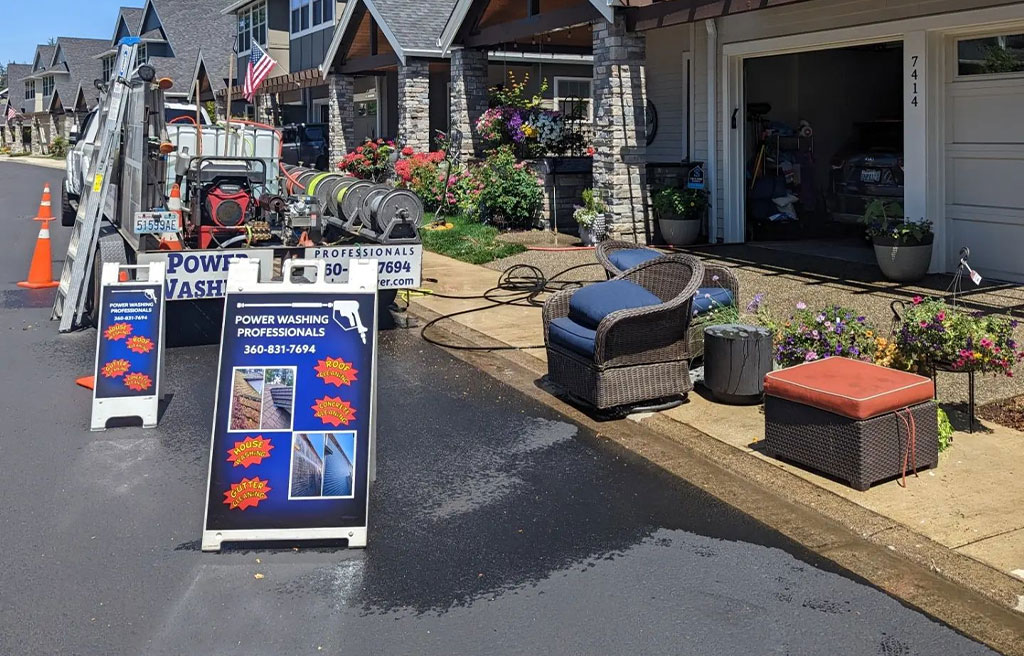
Maintaining clean exterior surfaces is not only essential for the aesthetic appeal of your home but also crucial for its longevity and structural integrity. Different materials require specific cleaning methods to ensure they remain in optimal condition. In this comprehensive guide, we will delve into the best practices for cleaning various exterior surfaces, from wood to concrete, vinyl, and glass. 1: Preparing for Exterior Cleaning Before diving into the cleaning process, it’s crucial to ensure you have the right tools and safety measures in place. Equip yourself with gloves, safety glasses, and appropriate footwear. Gather necessary cleaning agents, brushes, and, if applicable, a pressure washer. Clear the area of any obstacles that might impede your progress. 2: Cleaning Wood Surfaces Wood surfaces, though charming, require delicate care to avoid damage. Begin by assessing the condition of the wood. For decks and fences, a gentle scrub with a soft-bristle brush and a wood-friendly cleaning solution should suffice. Avoid using high-pressure settings on wood, as it can lead to splintering and other damage. 2.1: Deck Cleaning For wooden decks, start by removing loose dirt and debris. Utilize a low-pressure setting on your pressure washer or opt for a deck-cleaning solution. Scrub the surface with a soft brush and rinse thoroughly. Consider applying a sealant or stain after cleaning to protect the wood. 2.2: Cleaning Wooden Siding Cleaning wooden siding follows a similar process. Begin with a gentle wash using a mild cleaning solution. Rinse from top to bottom to prevent streaking. If mold or mildew is present, consider using a specialized cleaner. After cleaning, inspect for any areas that may need resealing or repainting. 3: Cleaning Concrete and Brick Surfaces Concrete and brick surfaces are known for their durability, but they still require regular cleaning. For these materials, a medium to high-pressure setting on your pressure washer is appropriate. 3.1: Driveway and Sidewalk Cleaning Begin by removing loose debris. Apply a concrete or brick-friendly cleaning solution and allow it to sit for a few minutes. Scrub with a stiff-bristle brush, paying extra attention to stains. Rinse thoroughly. For stubborn stains, consider using a pressure washer with an appropriate nozzle. 3.2: Cleaning Brick Walls Brick walls may accumulate dirt and efflorescence over time. Utilize a medium-pressure setting on your pressure washer, and start from the top, working your way down. Be cautious not to use too high a pressure, as it can damage the mortar. Address any efflorescence with a specialized cleaner. 4: Cleaning Vinyl and Metal Surfaces Vinyl and metal surfaces are relatively low-maintenance, but periodic cleaning is still essential. Use a mild detergent and a soft brush for these materials. 4.1: Vinyl Siding Cleaning Begin by rinsing the surface with water to remove loose dirt. Apply a mixture of water and a mild cleaning solution to the siding. Use a soft brush to gently scrub the surface, working from the bottom up. Rinse thoroughly and inspect for any areas that may require additional attention. 4.2: Metal Roof and Gutter Cleaning Metal roofs and gutters can accumulate debris and, over time, develop oxidation or rust. Clear gutters of leaves and other obstructions. For metal roofs, use a soft-bristle brush to remove loose debris. Apply a specialized metal cleaner to address oxidation and rust. Rinse thoroughly. 5: Cleaning Glass and Windows Streak-free glass adds a finishing touch to any home. Use a mild glass cleaner and a lint-free cloth for best results. If cleaning windows at height, ensure you have secure footing, or consider using an extendable pole with a squeegee attachment. 5.1: Window Cleaning Techniques Apply the cleaning solution sparingly to avoid streaking. Wipe in a consistent motion, using a squeegee for larger surfaces. Pay attention to corners and edges. Buff with a lint-free cloth for a crystal-clear finish. 6: Safety Considerations Regardless of the surface, you’re cleaning, safety should always be a priority. Take necessary precautions when working at heights, and use equipment appropriately. Be mindful of electrical hazards if using power tools. 7: Environmental Considerations Opt for eco-friendly cleaning solutions whenever possible. Properly dispose of cleaning waste according to local regulations. Consider using biodegradable or non-toxic options to minimize environmental impact. Conclusion With the right knowledge and tools, cleaning different types of exterior surfaces can be a manageable task. By following these guidelines, you’ll not only enhance the appearance of your home but also prolong the lifespan of its various materials. Regular maintenance ensures your home remains a source of pride and comfort for years to come. This essay provides a comprehensive guide to cleaning different types of exterior surfaces, covering wood, concrete, brick, vinyl, metal, and glass. It emphasizes safety, environmental considerations, and the importance of regular maintenance. Thank you for reading!
10 Essential Pressure Washing Safety Tips
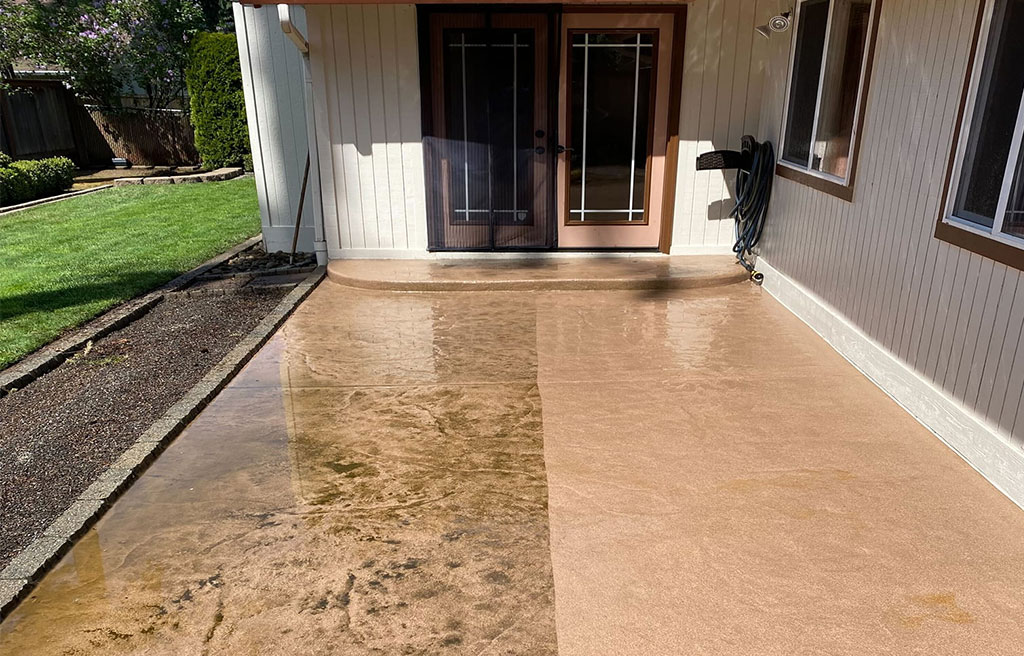
Pressure washing is a powerful tool for cleaning various surfaces, but it comes with its own set of risks. Safety should always be a top priority when operating a pressure washer. In this guide, we’ll outline ten essential safety tips to ensure a secure and successful pressure washing experience. 1. Wear Appropriate Safety Gear: Before you start, equip yourself with the right safety gear. This includes safety goggles or glasses, closed-toe shoes with slip-resistant soles, hearing protection, and waterproof clothing. These items will protect you from potential hazards like flying debris and water splatter. 2. Read the User Manual: Familiarize yourself with the pressure washer’s user manual. Different models may have specific instructions and safety precautions. Understanding the equipment thoroughly will help you operate it safely and effectively. 3. Inspect the Equipment: Before each use, conduct a thorough inspection of the pressure washer. Check for any visible damage or loose parts. Ensure that all connections are secure, and hoses are free of kinks or leaks. Never operate a faulty machine. 4. Choose the Right Nozzle and Pressure Setting: Selecting the appropriate nozzle and pressure setting is crucial for different surfaces. Use a wide-spray, low-pressure nozzle for delicate materials like wood, and a narrow-spray, high-pressure nozzle for tougher surfaces like concrete. Always start with the lowest pressure setting and adjust as needed. 5. Maintain Proper Distance: Maintain a consistent distance between the nozzle and the surface being cleaned. This is typically around 2-3 feet, but refer to the manufacturer’s guidelines for specific recommendations. Holding the nozzle too close can cause damage, while holding it too far can reduce cleaning effectiveness. 6. Test on a Small Area: Before tackling a large area, test the pressure washer on a small, inconspicuous section. This allows you to gauge the appropriate pressure setting and distance without risking damage to the entire surface. 7. Work from Top to Bottom: Start cleaning from the top of surfaces and work your way down. This ensures that dirt and grime flow away from areas you’ve already cleaned, preventing streaks or marks. 8. Use Detergents Safely: If using detergents, follow the manufacturer’s instructions for dilution and application. Apply from the bottom up and rinse thoroughly. Avoid using harsh chemicals that could harm the environment or damage your equipment. 9. Be Cautious Around Electrical Outlets: Avoid spraying water directly at electrical outlets or any exposed wiring. This can pose a significant electrical hazard. If possible, cover outlets with waterproof covers or tape them off to prevent water exposure. 10. Never Spray Upwards: Avoid spraying upwards, especially on siding or roofing. Water can get forced behind siding or shingles, potentially causing moisture issues and damage to the underlying structure. In conclusion, adhering to these ten essential pressure washing safety tips will help ensure a secure and successful cleaning process. Remember that safety should always come first, and taking the necessary precautions will lead to impressive results without causing harm to yourself, others, or the surfaces you’re cleaning. Thanks for reading!
The Do’s and Don’ts of DIY Pressure Washing
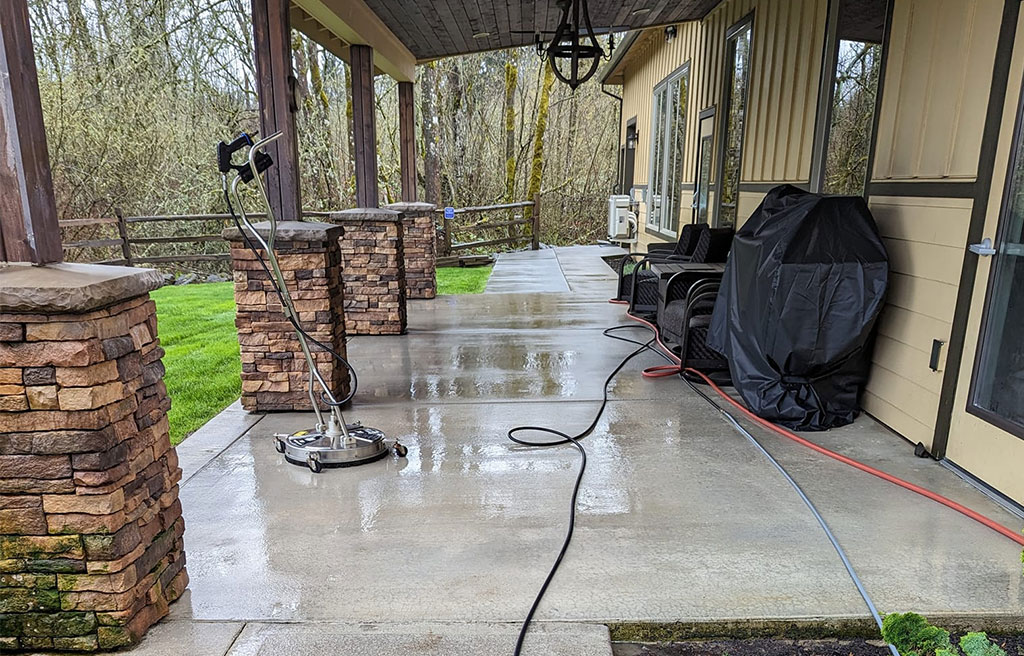
Pressure washing is a powerful tool for cleaning various surfaces around your home. When used correctly, it can save you time and effort while achieving impressive results. However, it’s important to approach pressure washing with caution and follow certain guidelines to ensure safety and effectiveness. In this guide, we’ll outline the essential do’s and don’ts of DIY pressure washing. The Do’s: 1. Read the Manual: Before you begin, familiarize yourself with the pressure washer’s user manual. Different models may have specific instructions and safety precautions. 2. Safety Gear: Always wear appropriate safety gear, including safety glasses, closed-toe shoes, and hearing protection. Additionally, consider wearing waterproof clothing to shield yourself from overspray. 3. Select the Right Nozzle: Different nozzles provide varying degrees of pressure. Use a wide-spray, low-pressure nozzle for delicate surfaces like wood, and a narrow-spray, high-pressure nozzle for tougher materials like concrete. 4. Test on a Small Area: Before tackling a large area, test the pressure washer on a small, inconspicuous section to gauge the appropriate pressure setting and distance. 5. Maintain Proper Distance: Keep the nozzle at a consistent distance from the surface being cleaned. Typically, this is around 2-3 feet, but refer to the manufacturer’s guidelines for specific recommendations. 6. Use Detergent Wisely: If using detergents, follow the manufacturer’s instructions for dilution and application. Apply from the bottom up and rinse thoroughly. 7. Work from Top to Bottom: Start cleaning from the top of surfaces and work your way down. This ensures that dirt and grime flow away from areas you’ve already cleaned. 8. Keep a Steady Motion: Use even, overlapping strokes to avoid streaks or marks. Moving too slowly or too quickly can lead to uneven cleaning. 9. Clean Gutters and Drains: Before you start, ensure that gutters and drains are clear of debris. This prevents clogging and ensures efficient water flow. The Don’ts: 1. Don’t Use Too Much Pressure: Using excessive pressure can damage surfaces. Avoid high-pressure settings on delicate materials like wood or shingles. 2. Avoid Close Proximity: Do not hold the nozzle too close to the surface. This can cause damage or even etching on certain materials. 3. Never Spray Upward: Avoid spraying upwards, especially on siding or roofing. Water can get forced behind siding or shingles, potentially causing moisture issues. 4. Don’t Use Hot Water on All Surfaces: Some surfaces, like asphalt shingles, can be damaged by hot water. Stick to cold water for these materials. 5. Avoid Using Harsh Chemicals: Be cautious with chemicals. Some can harm the environment or damage your equipment. Use biodegradable, eco-friendly detergents when possible. 6. Don’t Neglect Safety Measures: Neglecting safety gear or ignoring safety guidelines can lead to accidents or injuries. Always prioritize your safety. 7. Stay Clear of Electrical Outlets: Be cautious of electrical outlets and avoid spraying water directly at them to prevent electrical hazards. 8. Don’t Ignore Maintenance: Regularly clean and maintain your pressure washer. Neglecting this can lead to reduced performance and potentially costly repairs. In conclusion, DIY pressure washing can be a highly effective way to clean various surfaces around your home. By following these do’s and don’ts, you’ll ensure safe and efficient use of your pressure washer, leading to impressive results without causing damage or harm.
The Impact Of Mold And Mildew On Your Home’s Exterior And How To Combat It
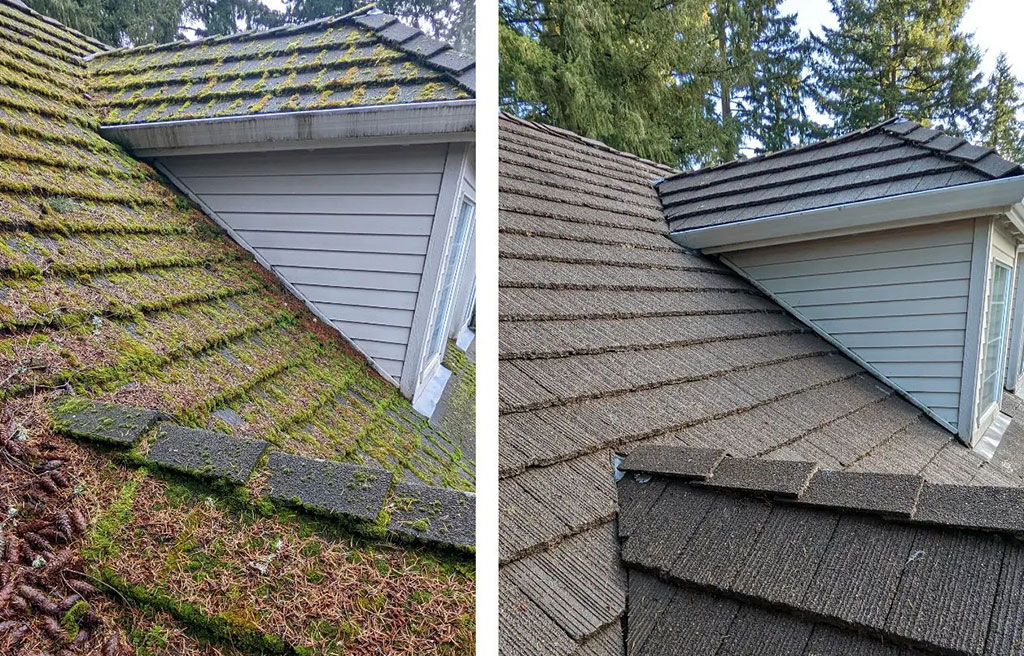
Mold and mildew, often mistaken for each other, are types of fungi that thrive in damp environments. When they take hold on a home’s exterior, they can have detrimental effects on both the aesthetic appeal and structural integrity of the property. First and foremost, mold and mildew can cause unsightly stains, discoloration, and a generally unkempt appearance on surfaces like siding, roofing, and decks. This not only diminishes the visual appeal of your home but can also decrease its market value. Furthermore, if left untreated, mold and mildew can lead to more serious problems. They feed on organic materials like wood, which means they can gradually weaken and deteriorate the structural integrity of your home. This can result in costly repairs and compromise the safety of the dwelling. To combat mold and mildew, proactive prevention is key. Here are some effective strategies: 1. Regular Cleaning: Regularly inspect and clean susceptible areas such as siding, roofing, and decks. Use a mixture of water and a mild detergent or a specialized cleaning solution designed to remove mold and mildew. 2. Proper Ventilation: Ensure proper ventilation in areas prone to moisture buildup, like bathrooms, basements, and attics. Install exhaust fans to reduce humidity levels. 3. Maintain Gutters and Downspouts: Clean gutters and downspouts regularly to ensure proper drainage. This prevents water from accumulating and creating conditions conducive to mold and mildew growth. 4. Trim Vegetation: Trim back bushes, trees, and other vegetation near the house. This allows better air circulation and reduces the amount of moisture that can accumulate on exterior surfaces. 5. Seal and Waterproof: Apply a high-quality sealant or waterproofing agent to surfaces that are particularly vulnerable to moisture, such as wood siding and decks. 6. Repaint and Seal: Periodically repaint and reseal exterior surfaces. This provides an additional layer of protection against moisture and fungal growth. 7. Repair Leaks Promptly: Address any leaks or water damage promptly. This includes fixing roof leaks, repairing damaged siding, and sealing cracks or gaps in the structure. In conclusion, the impact of mold and mildew on your home’s exterior can be far-reaching, affecting both its appearance and structural integrity. However, with vigilant maintenance and proactive prevention, you can combat these issues and preserve the beauty and integrity of your home for years to come.
The Title Of The Blog Is How to Safely Pressure Wash Your Deck And Patio
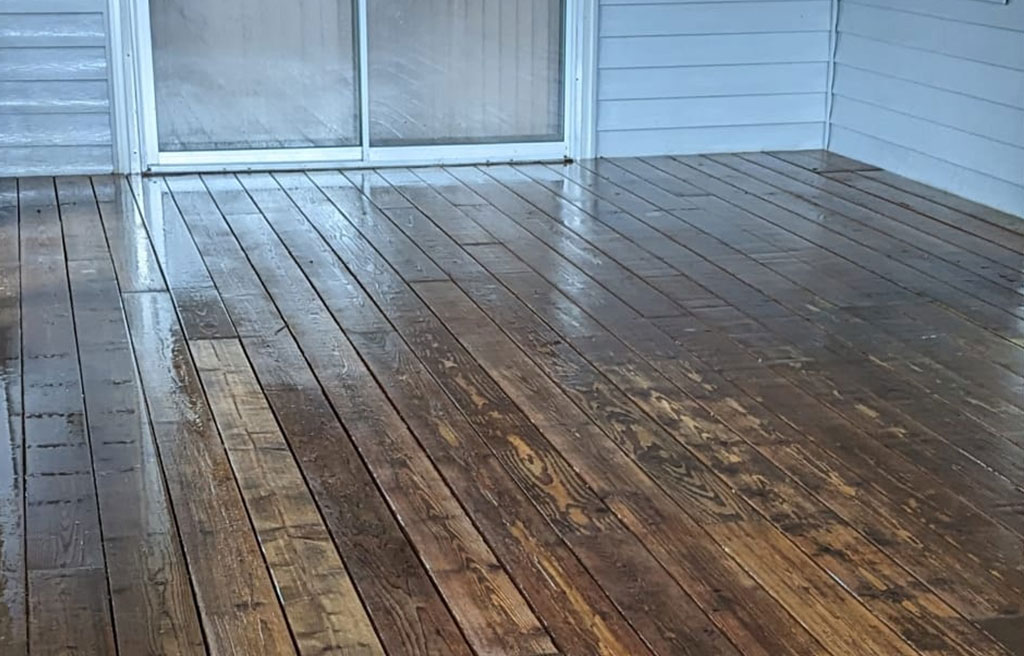
Certainly! Here is a comprehensive guide on how to safely pressure wash your deck and patio: How to Safely Pressure Wash Your Deck and Patio Pressure washing is an effective way to rejuvenate the appearance of your deck or patio, removing dirt, grime, moss, and other debris that can accumulate over time. However, it’s important to approach this task with caution to ensure you don’t inadvertently damage the surface. Follow these steps for a safe and successful pressure washing experience. 1. Gather the Necessary Equipment Before you begin, gather all the essential equipment and materials you’ll need: – Pressure washer – Safety goggles or glasses – Protective clothing (long sleeves, pants, closed-toe shoes) – Cleaning solution (if needed) – Broom or brush for pre-cleaning – Deck or patio sealer (optional, for after cleaning) 2. Inspect the Deck or Patio Before you start pressure washing, take a close look at the surface you’re about to clean. Identify any loose boards, protruding nails, or damaged areas. Make any necessary repairs before proceeding. 3. Prepare the Area Clear the deck or patio of any furniture, potted plants, or decorations. Cover nearby plants with plastic sheeting to protect them from the cleaning solution and water runoff. 4. Pre-Cleaning Using a broom or stiff brush, sweep away loose debris, leaves, and dirt from the surface. This initial cleaning helps prevent clogs in the pressure washer nozzle and ensures a more effective wash. 5. Choose the Right Nozzle Select the appropriate nozzle for the pressure washer. A wide-angle nozzle (usually labeled 25 or 40 degrees) is suitable for most deck and patio surfaces. Avoid using a narrow nozzle, as it can cause damage. 6. Test the Pressure Washer Before you start, test the pressure washer on an inconspicuous area of the deck or patio to get a feel for the pressure. Adjust the distance between the nozzle and the surface until you find the optimal cleaning distance. 7. Mix Cleaning Solution (if needed) If your deck or patio has stubborn stains, consider using a cleaning solution. Follow the manufacturer’s instructions for mixing and applying the solution. Be sure to choose a solution that is safe for the surface material. 8. Begin Pressure Washing Hold the pressure washer nozzle at a slight angle to the surface. Start at one end and work your way systematically across the area, keeping a consistent distance from the surface. Avoid getting too close, as this can cause damage. Move the wand in smooth, overlapping strokes. 9. Maintain a Safe Distance Maintain a safe distance of around 12 to 18 inches from the surface. Closer proximity can increase the risk of damaging the wood or other materials. 10. Work in Sections Divide the deck or patio into manageable sections and clean one section at a time. This allows you to give proper attention to each area and ensures thorough cleaning. 11. Rinse Thoroughly After pressure washing, thoroughly rinse the entire area with clean water. Ensure no residue or cleaning solution remains on the surface. 12. Allow Time to Dry Allow the deck or patio to dry completely before replacing furniture or walking on it. This may take a few hours, depending on weather conditions. 13. Optional: Apply Sealer If desired, apply a deck or patio sealer after cleaning. This helps protect the surface from future damage and enhances its appearance. 14. Clean Up Clean the pressure washer and store it properly. Dispose of any cleaning solution or debris in accordance with local regulations. By following these steps, you can safely pressure wash your deck or patio, restoring it to its former glory without causing any damage. Regular maintenance and cleaning will help extend the lifespan of your outdoor space and keep it looking its best for years to come.
The Impact of Pressure Washing on Curb Appeal: A Comprehensive Guide
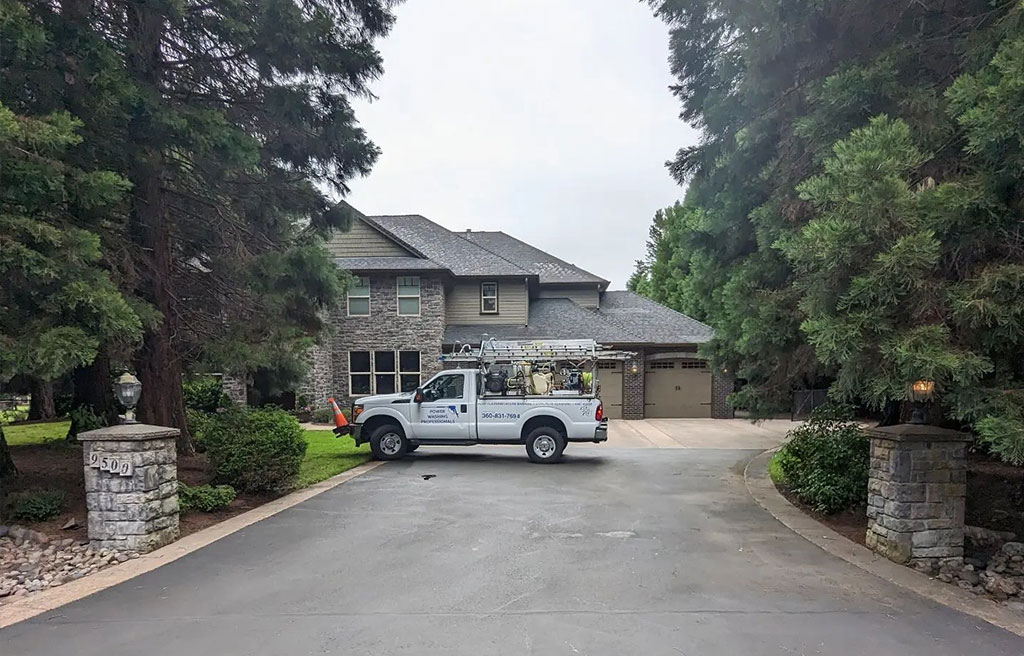
Curb appeal, the aesthetic appeal of a property as seen from the street, is a critical factor in a home’s overall value and desirability. One often overlooked but highly effective method to enhance curb appeal is pressure washing. This process involves using high-pressure water to clean and remove dirt, grime, mold, mildew, and other pollutants from various surfaces. Below, we delve into the intricate connection between pressure washing and curb appeal, outlining its significance and how to employ it effectively. 1. Restoring the Shine Over time, outdoor surfaces like driveways, sidewalks, and siding accumulate dirt, algae, and other unsightly substances. This can lead to a dull and lackluster appearance. Pressure washing can swiftly restore the shine and vibrancy of these surfaces, making them look refreshed and well-maintained. 2. Removing Stubborn Stains Stains from oil, rust, or organic matter can be particularly challenging to remove from outdoor surfaces. Pressure washing is highly effective in eliminating these stubborn stains, providing a clean and inviting look that significantly boosts curb appeal. 3. Enhancing Property Value A well-maintained exterior speaks volumes about a property’s overall condition. When potential buyers or visitors approach a home with a clean and inviting facade, they are more likely to perceive it as well-cared-for and, consequently, more valuable. This positive first impression can translate into a higher perceived value of the property. 4. Preventing Long-Term Damage Mold, mildew, and algae can not only mar a property’s appearance but also cause long-term damage. If left untreated, these contaminants can deteriorate surfaces over time, leading to costly repairs. Pressure washing effectively removes these threats, preventing potential structural damage and prolonging the life of your exterior. 5. Revitalizing Outdoor Spaces Decks, patios, and other outdoor areas are susceptible to dirt, grime, and organic growth. Pressure washing these surfaces not only restores their visual appeal but also provides a clean and safe environment for relaxation, entertaining, or other outdoor activities. 6. Preparing for Painting or Staining Before applying a fresh coat of paint or stain to surfaces like siding, decks, or fences, it’s essential to start with a clean canvas. Pressure washing ensures that the surface is free from dirt, mold, and other contaminants, allowing for better adherence of paint or stain. This leads to a more even finish and a longer-lasting result. 7. Environmentally Friendly Cleaning Pressure washing relies on high-pressure water rather than harsh chemicals to clean surfaces. This makes it an environmentally friendly option for maintaining curb appeal, as it minimizes the use of harmful chemicals that can leach into the soil or water supply. 8. A Cost-Effective Solution Compared to other exterior cleaning methods, such as manual scrubbing or chemical treatments, pressure washing is often more cost-effective. It can be a one-time investment or a service offered by professional cleaning companies. The savings in time and effort can be substantial, especially for larger properties. Conclusion: Maximizing Curb Appeal with Pressure Washing In conclusion, the connection between curb appeal and pressure washing is undeniably significant. This powerful cleaning method not only restores the visual appeal of a property but also offers long-term benefits in terms of maintenance and preservation. By investing in pressure washing, homeowners can enhance their property’s value, create a positive first impression, and enjoy a well-maintained exterior for years to come. Whether performed as a DIY project or by hiring a professional, pressure washing is a valuable tool in the quest for an attractive and inviting home.
The Impact of Mold and Mildew on Your Home’s Exterior: How to Combat Them
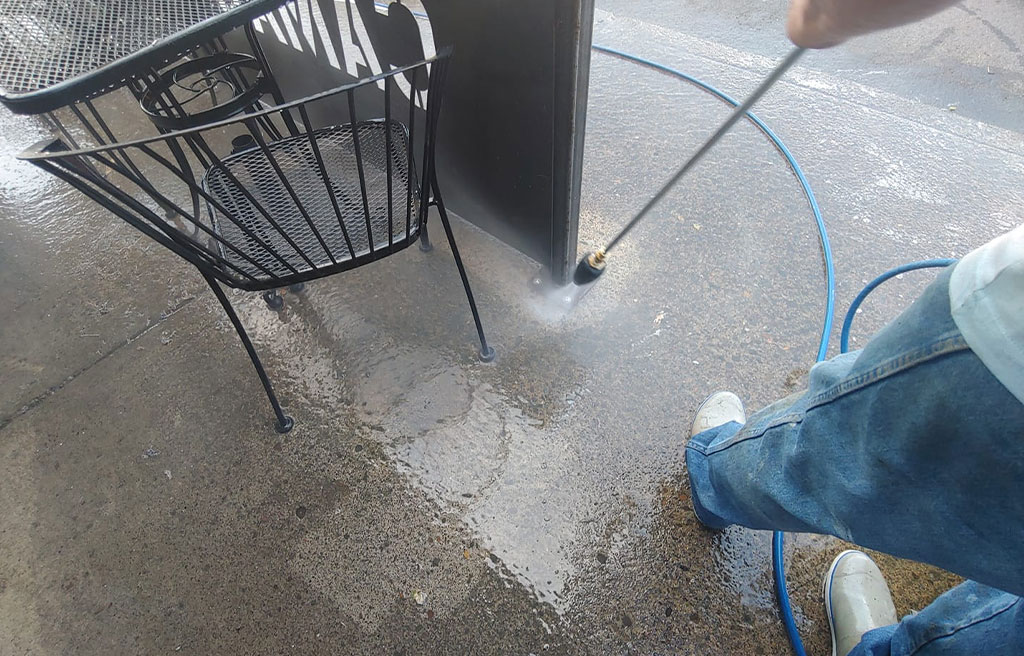
Mold and mildew are common culprits when it comes to exterior home maintenance. These unsightly growths not only diminish the aesthetic appeal of your property but also pose potential health risks and can lead to structural damage if left untreated. Understanding the impact of mold and mildew and implementing effective combat strategies is crucial for the well-being and longevity of your home. The Destructive Duo: Mold and Mildew Mold and mildew are types of fungi that thrive in damp, humid environments. They reproduce by releasing spores into the air, which can settle on surfaces and take root. When left unchecked, these organisms can cause a range of problems for your home. Structural Damage One of the most significant impacts of mold and mildew is their potential to cause structural damage. They can infiltrate porous materials like wood, weakening them over time. This can lead to rotting, warping, and, in severe cases, compromise the integrity of your home’s structure. Aesthetic Deterioration Beyond structural concerns, mold and mildew can mar the visual appeal of your home. They often appear as dark spots or streaks on siding, roofs, and other exterior surfaces. This not only looks unsightly but can also decrease the value of your property. Health Risks Mold spores can become airborne and be inhaled, potentially causing health issues, especially for individuals with allergies, asthma, or compromised immune systems. Exposure to mold and mildew can lead to respiratory problems, skin irritation, and other allergic reactions. Combat Strategies: How to Fight Back Combatting mold and mildew requires a proactive approach that focuses on prevention, regular maintenance, and targeted treatment. Here are effective strategies to keep your home’s exterior mold and mildew-free: 1. Ensure Proper Drainage Adequate drainage is critical in preventing water from pooling around your home. Make sure gutters and downspouts are clear of debris and direct water away from the foundation. Proper grading around your property can also help prevent water from accumulating near the exterior walls. 2. Remove Organic Debris Leaves, twigs, and other organic matter provide a fertile ground for mold and mildew growth. Regularly clean gutters, remove debris from roofs, and trim back vegetation that may be too close to your home’s exterior. 3. Maintain Ventilation Proper ventilation helps regulate humidity levels, which in turn discourages mold and mildew growth. Ensure that attic spaces are adequately vented, and consider installing exhaust fans in bathrooms and kitchens to reduce moisture buildup. 4. Apply a Mold-Resistant Coating Consider using a mold-resistant coating on vulnerable surfaces. These coatings create a barrier that inhibits the growth of mold and mildew. They can be applied to siding, roofs, and other exterior materials. 5. Regular Cleaning Regular cleaning is perhaps the most effective way to combat mold and mildew. Pressure washing is an excellent method for removing surface-level growth and preventing further colonization. However, it’s crucial to use the appropriate cleaning solutions and techniques to avoid damaging the surfaces. 6. Professional Inspection and Remediation If you suspect a more serious mold or mildew infestation, it’s advisable to seek professional help. Experts can conduct a thorough inspection to identify the extent of the problem and implement targeted remediation strategies. 7. Monitor and Maintain Regular inspections of your home’s exterior can help catch mold and mildew growth early. Promptly address any signs of infestation to prevent further damage. In conclusion, the impact of mold and mildew on your home’s exterior can be far-reaching, from structural damage to health risks and diminished aesthetics. However, with proper prevention, maintenance, and treatment strategies, you can effectively combat these troublesome growths. By implementing these measures, you not only protect the value and integrity of your property but also create a healthier and more visually appealing environment for you and your family. Thank you for reading!
The Best Time of Year to Pressure Wash Your Home
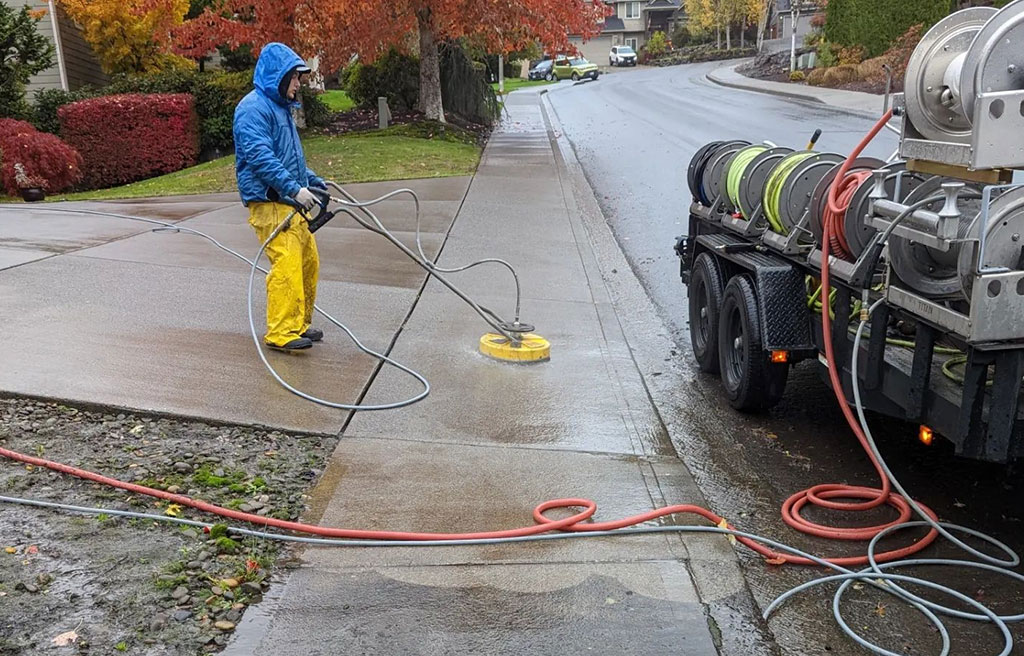
Maintaining the exterior of your home is an essential aspect of property ownership. Among the various methods available, pressure washing stands out as a powerful tool for cleaning surfaces like siding, decks, driveways, and more. However, choosing the right time of year for this task can make a significant difference in the effectiveness and longevity of the results. Spring: A Fresh Start As winter gives way to spring, it brings with it a sense of renewal and freshness. This is an ideal time to undertake a thorough pressure washing of your home. Winter often leaves behind a layer of grime, salt, and other debris on your exterior surfaces. A springtime pressure wash not only revitalizes the appearance of your property but also helps prevent potential damage caused by prolonged exposure to these elements. Moreover, the moderate temperatures of spring provide a comfortable environment for this task. The weather is typically warm enough to allow for efficient cleaning without the extreme heat that can sometimes be encountered in the summer months. Summer: A Season of Shine Summer, with its longer days and abundant sunshine, is another excellent time to consider pressure washing. The dry weather provides optimal conditions for cleaning, as the surfaces can dry quickly after the wash. Additionally, summer is a popular time for outdoor gatherings and activities, so having a clean and appealing exterior can enhance your overall enjoyment of your property. However, it’s important to be mindful of the heat during peak summer months. High temperatures can cause the cleaning solutions to dry too quickly, potentially leaving streaks or residue on your surfaces. Therefore, it’s advisable to schedule your pressure washing sessions in the morning or late afternoon when the sun is not at its zenith. Fall: Preparing for Winter As autumn sets in, leaves start to fall and winds carry debris onto your property. Pressure washing in the fall can help prepare your home for the upcoming winter season. By removing accumulated dirt, leaves, and other organic matter, you can prevent potential damage and prolong the life of your exterior surfaces. Moreover, fall pressure washing can be particularly beneficial for surfaces that are prone to mold and mildew growth. Removing these contaminants before winter arrives can help prevent them from taking hold and causing more extensive damage over time. Winter: A Special Consideration While pressure washing in winter is possible in some regions with milder climates, it’s generally not the most recommended time for this task. Cold temperatures can lead to freezing of the water, which may damage the equipment and create unsafe conditions. Additionally, the effectiveness of some cleaning agents can be reduced in very low temperatures. If you find it necessary to pressure wash during winter, it’s crucial to choose a day when temperatures are above freezing and there’s no risk of precipitation. Take extra precautions to ensure the safety of both yourself and your property. In conclusion, the best time of year to pressure wash your home depends on a variety of factors, including your climate, the condition of your exterior surfaces, and your specific cleaning goals. Generally, spring and summer offer optimal conditions for this task, while fall can be an excellent time to prepare for the challenges of winter. Regardless of the season, it’s important to approach pressure washing with proper safety measures and equipment to ensure the best results for your home.
Finding the Optimal Season: When to Pressure Wash Your Home

Pressure washing is a crucial aspect of home maintenance, breathing new life into your exterior surfaces. However, timing is everything when it comes to this task. Different seasons present unique advantages and considerations. Let’s delve into the best times of the year to unleash the power of your pressure washer. As nature awakens, so does the need to rejuvenate your home’s exterior. Spring is an ideal time for pressure washing. The remnants of winter, from grime to salt deposits, are powerfully expelled, revealing the fresh face of your residence. This season grants your home a clean slate, erasing the signs of a long, harsh winter. The milder temperatures and longer days provide the perfect backdrop for this revitalizing endeavor, ensuring your property is ready to shine throughout the warmer months. When the summer sun graces your surroundings, it’s the perfect time to let your pressure washer shine. The combination of clear skies and dry weather is an asset to this task. Water dries quickly, minimizing the risk of streaks or water spots. Furthermore, summer often sees an increase in outdoor gatherings and events. A freshly pressure-washed exterior sets an inviting stage, leaving a lasting impression on guests and enhancing your overall enjoyment of outdoor spaces. As leaves fall and the air turns crisp, it’s a strategic move to prepare your home for the winter ahead. Autumn is an opportune time for pressure washing. The accumulation of falling leaves, along with mold and mildew growth, can take a toll on your home’s appearance and structural integrity. A thorough pressure wash can swiftly address these issues, safeguarding your property from potential damage. It’s an investment in the longevity and resilience of your home, ensuring it weathers the coming winter with grace. While winter isn’t the primary season for pressure washing, there are exceptions. After a mild winter storm or if your area experiences a particularly temperate season, seizing a dry, above-freezing day can be an opportunity for a light touch-up. However, it’s crucial to exercise caution in colder temperatures, as water freezing on surfaces can lead to hazards. In the grand symphony of home maintenance, timing plays a vital role. Each season offers a unique backdrop for pressure washing, whether it’s the revival of spring, the radiance of summer, the preparations of autumn, or even the occasional winter touch-up. Consider your specific needs and local climate when determining the best time to unleash the power of your pressure washer. By doing so, you’ll not only enhance your home’s curb appeal but also extend its lifespan, ensuring it stands strong for years to come.