The Five Common Mistakes to Avoid When Pressure Washing Your House
Pressure washing can be an effective way to spruce up the exterior of your home, removing dirt, grime, and even some stubborn stains. However, if not done correctly, it can lead to costly damage and safety hazards. Here are five common mistakes to steer clear of when pressure washing your house. 1. Using Too Much Pressure One of the biggest mistakes homeowners make is using too much pressure when pressure washing. While it might seem logical to use the highest setting for maximum cleaning power, this can lead to unintended consequences. High pressure can damage siding, strip paint, and even erode wood. It’s important to start with a lower pressure setting and gradually increase if necessary. Test a small, inconspicuous area first to gauge the appropriate level of pressure. 2. Neglecting Safety Precautions Safety should always be a top priority when pressure washing. It’s crucial to wear appropriate protective gear, including safety goggles and gloves. Additionally, be mindful of your surroundings. Avoid pressure washing near electrical outlets or fixtures, and ensure the power source and equipment are in good working condition. If you’re unsure about any aspect of safety, consult the manufacturer’s guidelines or seek professional advice. 3. Holding the Nozzle Too Close Maintaining the correct distance between the nozzle and the surface being cleaned is crucial. Holding the nozzle too close can result in gouging, etching, or even chipping of the material. For most surfaces, a distance of around 12-18 inches is recommended. However, softer materials like wood may require a greater distance. Always consult the manufacturer’s recommendations for your specific pressure washer and the surface you’re cleaning. 4. Ignoring Cleaning Solutions or Using the Wrong Ones Water alone may not be enough to tackle tough stains or deeply embedded grime. Using appropriate cleaning solutions can enhance the effectiveness of your pressure washing. However, it’s important to choose the right detergent for the job. Avoid using bleach or harsh chemicals, as they can be harmful to plants, animals, and the environment. Opt for biodegradable, eco-friendly cleaners that are specifically designed for pressure washers. 5. Overlooking Proper Technique Effective pressure washing involves more than just spraying water at high pressure. It requires a systematic approach. Start from the top and work your way down, ensuring that you’re covering all areas evenly. Use broad, sweeping motions to avoid streaking or uneven cleaning. Take your time and pay extra attention to heavily soiled areas. If you’re uncertain about the best technique for a particular surface, consult the pressure washer’s manual or seek professional advice. In conclusion, pressure washing can be a transformative tool for cleaning the exterior of your home, but it must be done with care and attention to detail. By avoiding these five common mistakes, you’ll not only achieve a cleaner, more appealing exterior, but you’ll also prevent potential damage and ensure a safer process overall. Happy pressure washing!
The Importance of Gutter Cleaning Services for Every Homeowner
As a homeowner, you strive to maintain the overall well-being of your property. One often overlooked aspect of home maintenance is gutter cleaning. While it may seem like a minor task, neglecting the cleanliness of your gutters can lead to significant problems down the line. In this blog post, we will discuss why gutter cleaning services are essential for every homeowner. 1. Prevents Water Damage : One of the primary functions of gutters is to channel rainwater away from your home’s foundation. However, over time, gutters can become clogged with leaves, debris, and even nests of birds or insects. When the gutters are blocked, rainwater cannot flow freely, causing it to overflow and potentially seep into your foundation. This can lead to costly water damage, including basement flooding, cracked walls, and weakened structural integrity. Regular gutter cleaning ensures that rainwater is effectively directed away from your home, preventing such damage. 2. Protects Landscaping : Clogged gutters not only pose a threat to your home’s foundation but also to your landscaping and exterior. When gutters overflow, the excess water can spill onto flower beds, lawns, and shrubs, causing soil erosion and potentially damaging your plants. Additionally, the constant overflow of water can stain and deteriorate your home’s exterior, leading to costly repairs or repainting. By scheduling regular gutter cleaning services, you can safeguard your landscaping and maintain the aesthetic appeal of your home. 3. Prevents Pest Infestations : Clogged gutters create an ideal habitat for pests, including mosquitoes, ants, birds, and rodents. The stagnant water in clogged gutters becomes a breeding ground for mosquitoes, while the accumulated debris provides a cozy nesting spot for insects and animals. These pests can find their way into your home and cause further damage. By investing in professional gutter cleaning services, you can eliminate the conditions that attract and harbor pests, reducing the risk of infestations and the associated health hazards they bring. 4. Extends Gutter Lifespan: Regular gutter cleaning not only benefits your home but also extends the lifespan of your gutters. When gutters are clogged, the weight of debris and stagnant water puts excess strain on them. Over time, this can lead to sagging, rusting, or even detachment from your home. By having your gutters cleaned, you remove the debris and prevent unnecessary stress on the system, ensuring they function optimally for years to come. This proactive approach saves you money in the long run by avoiding costly repairs or premature gutter replacement. Gutter cleaning services may seem like a small task, but they play a crucial role in maintaining the integrity and longevity of your home. By preventing water damage, protecting your landscaping, warding off pests, and extending the lifespan of your gutters, regular cleaning is a wise investment for every homeowner. Don’t neglect this essential maintenance task and ensure the well-being of your property for years to come.
Seven Signs Your Home Needs A Professional House Washing
Why is Gutter Cleaning Important?
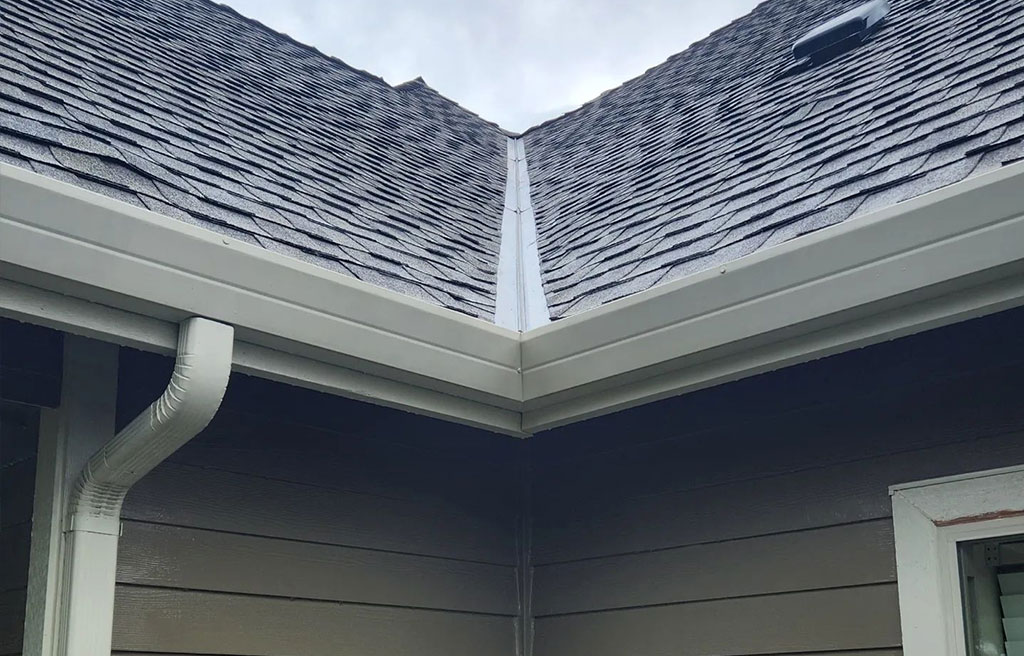
Gutter cleaning is an unsung hero that’s crucial to keeping your property in good condition all year long. Rain gutters help protect your house from serious water damage, but if they’re not cleared out, and leaves build up in the fall, they’re more likely to damage your home than preserve it. You may even have to deal with serious maintenance issues come spring if you don’t perform an autumn gutter cleaning. The most important aspect of keeping your gutters and downspout cleared is so that the rain and debris don’t overflow and start flooding the foundation of the home. Still not convinced you need fall gutter cleaning services this year? Here’s everything you should know about gutter cleaning, including more on why it’s so important and how to get the job done. Fall gutter cleaning Gutter Cleaning by Hand How Your Gutters Work and Why They Matter Gutters are the guards that keep your home from rain and water damage. They’re designed to transport rainwater from your roof and drain the water to the ground through a spout. Then, the water is directed away from the property and onto the lawn so it doesn’t pool near the basement and foundation. Without gutters, water would pool on your roof and lead to mold, rot, and deterioration of your roof shingles, fascia, walls, etc. When you choose to bring in a gutter cleaner for an annual fall cleanup, you’re investing in the longevity of your property and minimizing the risk of extensive damage in a few years. How To Tell If Your Gutters Are In Shape If your gutters are clogged with debris, you may notice leaves and sticks poking out of them. You also can check to see if there is a lack of water drainage from the downspout. However, the fastest and most efficient way to tell if your gutters are in good shape is by calling in the pros. Gutter cleaning companies will assess whether there has been damage due to clogging and inform you if you need gutter cleaning services right away. How To Keep Your Gutters Well Maintained Want to prevent leaks in your home to keep your gutters well-maintained? You can hop on a ladder and clean out any debris that has built up over time. Ideally, it would be best if you cleaned your gutters twice a year in early fall and early spring to prepare for the seasons to come. However, the autumn clean is the most important. Autumn gutter cleaning clears out the pipes right in time for winter and prevents water from freezing inside. If you have trees around, it is good to keep them trimmed to prevent excess droppings of leaves, sticks, etc. Keep in mind that even if your trees are trim, wind can still carry unwanted gunk into your drains. Another step you can take towards having your gutter cleaner than last year is regular roof repairs. If you have a loose shingle, it can end up right in your gutter and block the pathway for water to travel downward. Inspect your roof to see if your shingles are cracking or curling. How Much Does Gutter Cleaning Cost? If climbing up onto your roof to remove a bunch of debris, leaves, and sticks isn’t your thing, or if it has been a while since your drains have been cleaned, you can always call for professional gutter cleaning services to get the job done right. Professional gutter cleaning costs between $80-$150 for a single-story 1,500 square-foot house. However, if you regularly use a gutter cleaner, it can save you thousands in damage repairs. According to Home Advisor, the average homeowner can spend up to $5,121 to restore or repair water damage. An autumn cleaning service isn’t even a fraction of the cost to repair extensive damage down the road. Conclusion Disregarding gutter maintenance can lead to more bills to repair your home’s water damage and even long-lasting health problems from mold and mildew. If you are confident in your ability to clean the gutters yourself, you can always climb up onto a ladder before the first snowfall. However, we think reaching out to professional gutter cleaning companies is the way to go. You’ll save time spent clearing out these spaces on a fall day when you could be relaxing, and you’ll guarantee a job well done.
What Is Pressure Washing?
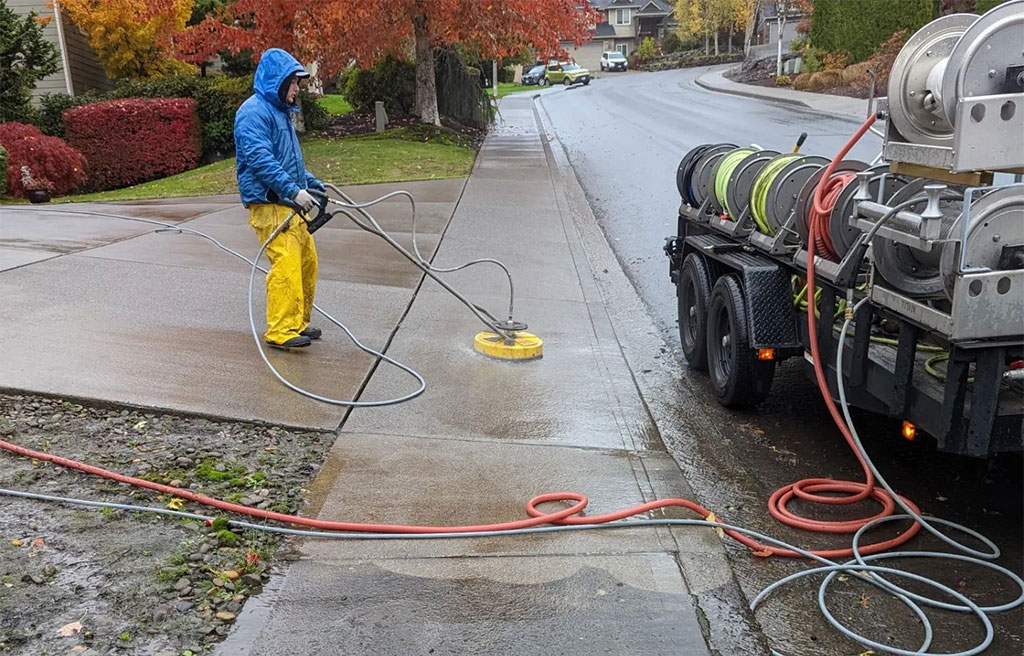
A pressure washer is great for cleaning a variety of surfaces and removing tough stains. But what’s the difference between pressure washing, soft washing, and hot washing? While these are all considered great ways to clean a dirty or stained surface, each cleaning method should be used for different purposes. To learn more about these three washes, their intended uses, and the benefits associated with each, read on. What Is Pressure Washing? Pressure washing is a type of wash that utilizes an electric or motor machine (known as a pressure washer) to expel a high-pressurized stream of water on a surface and remove dirt, grime, stains, and other debris. This type of wash is preferred by industrial cleaners and at-home users for its versatility and effectiveness at removing a wide variety of stains. Since the power of the stream is also adjustable, you can use it to clean several different surfaces. Here are some of the common uses for a pressure washer: As you can see, pressure washing can work on just about any outdoor surface when the pressure stream (PSI) is adjusted. And when paired with an industrial-grade cleaning solution, the possibilities for stain removal are endless. It’s important to note that pressure washing is not the same as power washing. While the two are very similar, there is one distinguishing factor: the water temperature. A pressure washer uses a room temperature water stream to clean, while a power washer uses a warm or hot water stream, making it suitable for use on durable surfaces. For example, you’d likely use a pressure washer to clean a window rather than a power washer. The same can be said of painted walls—if your intention is not to remove the paint, then choose a pressure washer and set the PSI low. So while pressure washing and power washing are often used interchangeably, it’s important to recognize the key difference of temperature between the two. We’ve discussed the importance of adjusting the pressure of the water stream, also known as the PSI (pounds per square inch), in order to protect the structure and appearance of the surface that is being cleaned. For more delicate surfaces, the PSI must be decreased, but for tougher surfaces like sidewalks, the PSI must be increased. Depending on which PSI you use for the job, your pressure washer will fall into two categories: Each process depends on the PSI you choose during a pressure washing job. Looking at figure one below you can see how PSI affects what pressure washing tasks take place. PSI pressure washing Check out the following sections for a more extensive overview of these two pressure cleaning processes. What Is Soft Washing? Soft washing is a term used to refer to a pressure wash where the handler uses a low-pressurized stream of water to remove stains, dirt, and other grime from a surface. To achieve a soft wash using a pressure washing system, you must lower the PSI, and in some cases, change out the nozzle attachment. However, there are specific machines known as soft washing systems that are intended strictly for soft cleaning and only use a low PSI. For reference, soft washing systems tend to have settings with 500 PSI and lower, while pressure washing systems tend to have settings with 300-3100 PSI. Soft Washing System Uses If you have a surface that you’d like to clean but are not sure if a high-pressurized blast is safe, then opt for a soft clean. Soft cleaning is great for use on crumbling or delicate surfaces such as: This is by no means a complete list of all the surfaces a soft washing system can clean, but it does help show the versatility this wash has, especially when it comes to cleaning the exterior of your home. Benefits of Soft Washing Soft cleaning is a great choice for homeowners who want to keep the outside of their home looking spick-n-span without having to worry about causing any damage. Here are only a few of the benefits of soft cleaning: Decreases risk of damage If the high-pressurized blast of pressure washing intimidates you, or you’re not sure which PSI to use, then using a soft washing attachment or system instead can help you decrease the chances of damaging your surface. Increases curb appeal & longevity of your house. Since this delicate wash is used mostly to clean the exterior of homes, it helps make your home look like new. Not only does it increase your home’s curb appeal, but the longevity of your home. Keeping up with your soft washing helps remove bacteria, algae, and other debris from your home that can cause long-term and expensive damage. Eco-friendly Soft washing only consists of water. If you want to get the most out of your wash, then pair the low-pressurized stream with a biodegradable cleaning solution for the most effective and eco-friendly clean. What Is Hard Washing? Hard washing refers to the process of cleaning a surface with a high-pressurized blast. When you think of pressure washing, this is the kind of washing you most likely think of. The PSI is normally set to 1000 or higher depending on the durability of the surface and the toughness of the stain trying to be removed. Hard Washing Uses Hard washing is most often left to the professionals who know the right PSI to use for each surface. Like soft cleaning, this process also is made more effective with the use of an industrial-grade cleaning solution to get out tough stains. Hard washing and pressure washing are synonymous when it comes to using a high-pressurized blast for this pressure cleaning system. Here are a few durable surfaces where a hard wash is preferable over a soft wash: Benefits of Hard Washing As with pressure and soft cleaning, there are several benefits associated with hard cleaning. Perfect for resilient stains If you’ve tried everything to remove a stain and it just won’t budge, then hard cleaning can
How to Safely Clean Vinyl Siding With the Pressure Washing
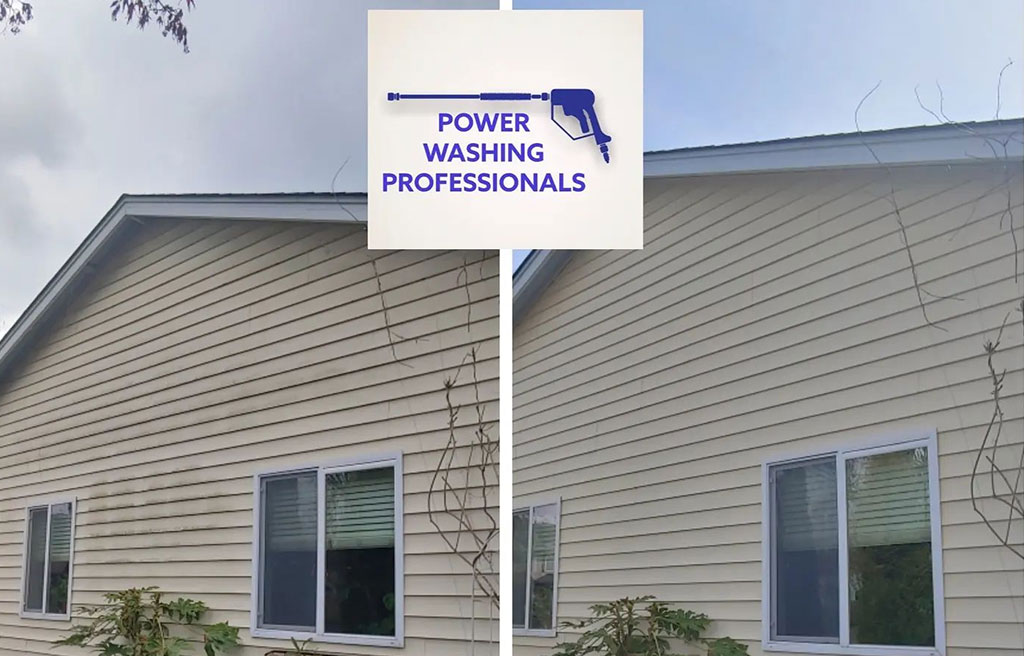
Pressure washing and soft washing are completely different in the sense that soft washing uses chemical detergents to loosen up moss, mold, mildew and algae from the surface you’re cleaning prior to rinsing. The reason why I soft washing is so extremely important to use as a technique while cleaning vinyl is that vinyl is extremely sensitive and can damage easily. From the manufacturer, vinyl siding has a protective coating on the outside of the plastic. The protective coating is there to resist ultraviolet rays and prolong the life of the siding while exposed to harsh elements for extended years. When contractors apply direct pressure with too much force to the siding, the outside protective coating on the outside layer of the vinyl is removed. This can be seen on most houses that we wash. Many homeowners think that if they take a pressure washer to rinse off the organics, that is sufficient. When using pressure alone on vinyl siding to remove the organics, typically we see an oxidization or a flat chalky look to the siding. The correct way to soft wash the exterior of a vinyl home or structure with vinyl siding is to use soaps and detergents prior to rinsing with a high volume and low pressure washing unit. So open detergents can be applied with low pressure upon the surface of the vinyl. After the soaps and detergents are applied then the cleaning technician allows the soaps and detergents to dwell and break down the organics. Once the organics have been broken down sufficiently, then the cleaning technician uses low PSI and high GPM to rinse the house or structure. When using too much psi, it is easy to push water behind different surfaces of flashing and in between siding. It is also imperative to cover up any outlets or electrical openings so as not to damage any of the circuits We here in Vancouver, Washington at power washing professionals like to use a few different types of tape to mask off any potential dangers and hazards while performing the exterior cleaning. Once the soaps and detergents have been applied starting from the bottom and working up to the top of the structure, the chemical solution is allowed to dwell and then the technician begins to rinse. In many instances, there are lichens or organic growth that are difficult to remove without using a soft brush. This is why we like to carry a soft brush on a telescoping pole with a bucket so that we can touch up any hard to clean areas while we are out in the field cleaning a vinyl homes. Another thing to consider while soft washing the exterior of a vinyl home is the weep holes and the dirty drainage. Many customers are not aware that there are weep holes that allow for drainage on every piece of vinyl siding. When washing the exterior of a vital home, it is difficult to reveal this true splendor and beauty of the home unless the weep holes are rinsed around accurately. House washing and rinsing the exterior of vinyl sudaces is extremely satisfying because of the instant results that the exterior surface shows immediately! Thank you for reading this blog post about exterior washing for vinyl. Make sure that if you own a vinyl home that you are washing it every 12 to 18 months.
How to Safely Clean Vinyl Siding
Many pressure washers and people in the pressure washing industry think that cleaning vinyl is as simple as using a pressure washer and high pressure alone. This is not the case. When applying high pressure to the exterior of vinyl siding, it is extremely probable that the homeowner or technician, if not using soaps and detergents, will damage the siding. From the manufacturer, vinyl siding has a smooth clear finish that protects the plastic from UV rays. When too much pressure is applied to the exterior of the surface, that exterior coating or that outside layer that protects the plastic is easily removed and damaged. After the exterior sheen and coating are removed, there is a chalky residual look and feel to the texture of the exterior piece of the vinyl siding. The proper way to clean vinyl siding is by using biodegradable soaps and solutions. By using soaps and solutions prior to applying water to rinse the vinyl siding, the organics are easily broken down and deteriorate before rinsing. This is why it is so imperative to use soaps and detergents and soft wash prior to using pressure washers to clean the exterior of a vinyl-sided home. There are many ways to apply soaps and detergents to the exterior of the home. The best method is by either using a gas, roof pump, air diaphragm pump, or using a 12-volt low-pressure application method. With less than 120 psi, there is very low damage for hurting the exterior of the vinyl siding through high pressure. As the substance and detergents are applied, the technician will then let the soaps and detergents dwell to break down the organics. The cleaning solutions used by industrial pressure washing companies, such as us at Power Washing Professionals, allow moss, mold, mildew, and algae to be broken down from the surface of the exterior. After the organics are broken down with the solution then, the exterior is rinsed with high volume and low pressure. This is accomplished by using large orifice tips and tips that are specifically sized for rinsing. When applying the detergents, the technician always starts from the bottom and works their way up so that the soaps can be applied to the bottom of the vinyl siding. Eaves and exterior gutters are also extremely hard to clean without substance detergents. From our experience out in the field for the last 5 years, we have noticed that in order to clean the exterior of eaves and exterior metal gutter faces, a high-concentration chemical solution is needed to clean those surfaces effectively. Vinyl siding can be cleaned with a much lower concentration rate of sodium, hypochlorite, and surfactants. For example- a roof cleaning mix that is needed to treat moss on an asphalt shingle roof should be treated with at least four and a half to 5% mix, yet the exterior of a vinyl home can be washed with 1.5 to 2% usually. When the technician rinses the home after the soaps and detergents have done their work, the water is then applied from the top and rinsed down the structure. In many cases, a soft bristle brush is needed to brighten up the exterior of the gutters and some hard-to-remove areas. We like to carry a soft brush with a telescoping wand and fill up a bucket with our soap solution to spot-treat areas so that we can control the application of our solutions. House washing and cleaning a vinyl home should be done at least every 1.5 to 2 years, depending on the geographic location of the home or property. Soft washing of the exterior of a vinyl home can reveal extremely dramatic results. We love cleaning the exterior of vinyl homes as when we are done, many times customers think that we have painted their home because it looks so transformationally different.
The Art of Window Cleaning – Tips From the Pros
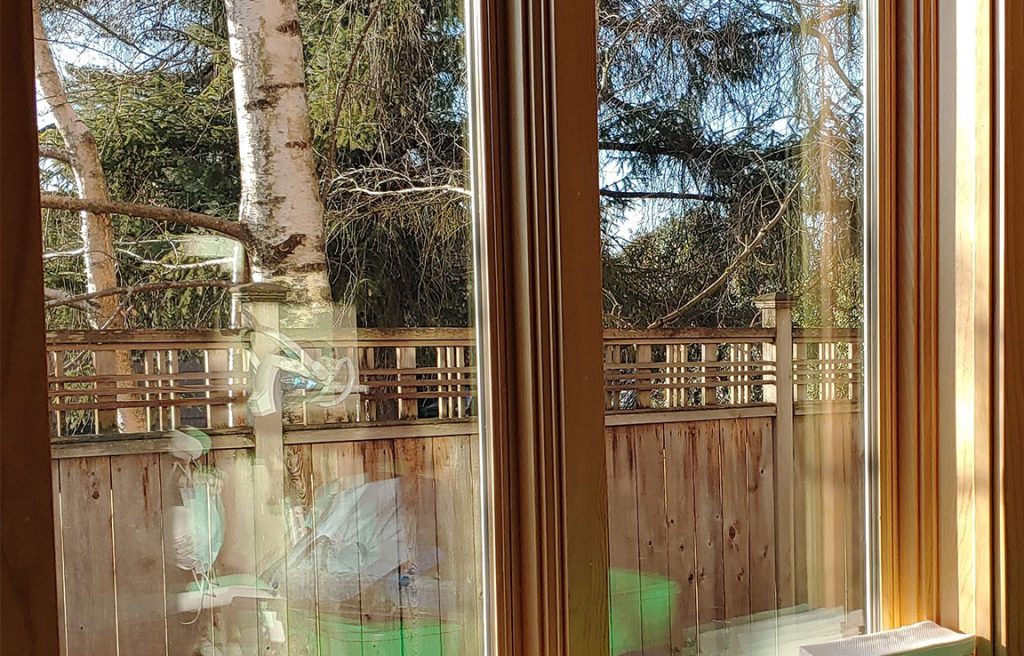
Window cleaning, whether it be commercial or residential, is an art. Is very easy to clean a piece of glass with a paper towel and Windex but to get a professional high-grade quality clean, it takes a different level of knowledge. The knowledge required to clean glass correctly is as follows: There are many factors to consider when cleaning glass, the first of which is the temperature of the glass. If you’re cleaning glass that has a temperature higher than the ambient temperature of the environment or over 80°, then your cleaning solution will spot and drive very quickly. There are many ways to combat this, but the best thing to do is to try to clean glass, not directly in the heat of the sun. If you do need to clean glass directly in the sun, there are some best ways to mitigate the temperature, such as cooling the glass down with water prior to cleaning the glass with a solution. Before cleaning the glass, it is best to have all of your supplies lined out and ready to go. Hand tools are always the best way to clean glass. A squeegee, a microfiber hand tool with a surgical towel, and some Dawn dish soap, these are always your best tools. In the window washing community, there are many new tools always coming up ready for use out in the field. The most effective tools have been around for a long time and are listed above. If you are cleaning screens, there are some really nice tools that you can purchase to make screen cleaning much easier, but if you’re just getting started, you can take the screens out by hand and clean them with the hose and a soft brush or a large soft sponge. Cleaning the tracks can be done in quite a few different ways. The easiest way to clean the tracks is to saturate it with water and absorb it with terry cloths. After you have removed the screen, cleaned the screen, and cleaned the tracks, you can now clean the glass itself. To clean the glass, take your Dawn dish soap and your window cleaning bucket and get the window cleaning tools wet. Once the squeegee is wet, you can apply the soap solution and saturate the whole window. After the whole window is covered in your glass cleaning solution, you will clean the upper and side portions of the frame with your surgical towel. After you have started to create a small dry passage for your squeegee, you can squeegee from top to bottom or in your S-style technique. Regardless of how you squeeze, just make sure that you overlap and try to dry the squeegee in between each pass of the window. After you use your squeegee to dry the window, use your surgical towel to touch up any areas that need cleaning and detail work. It is very easy to do this process and miss something. In order not to miss something. Make sure that you lean back and look at the glass from many different angles to look for detailed work. Once you’re confident that the piece of glass is fully clean without any streaks, you can now put the dry window screen back on the frame. The process for cleaning the interior of the window is exactly the same as cleaning the outside. The only difference is you will not have a screen to remove. Hard water stains require a different cleaning procedure. Hard water can come about for a myriad of reasons. Typically this is because of the source water in the area, whether it be from a municipal water source or from rain on the window. In some extreme cases, buffing wheels are needed to remove all of the hard water stains from the surface of the glass. Another way to effectively clean window surfaces is with a water-fed pole. Water Fed poles use a specialized filter that reduces all hard water and minerals from the water source. Once the water source is filtered, then it is moved through a small 1/8-inch line and pushed through a brush head. The brush head is used to agitate the glass and clean the glass. This does get Windows clean and leaves many customers happy, yet in many cases, a hand clean is much more superior and is what the customer requests specifically. This is how we like to clean windows at power washing professionals.
Essential Guide to Pressure Washing Your Driveway
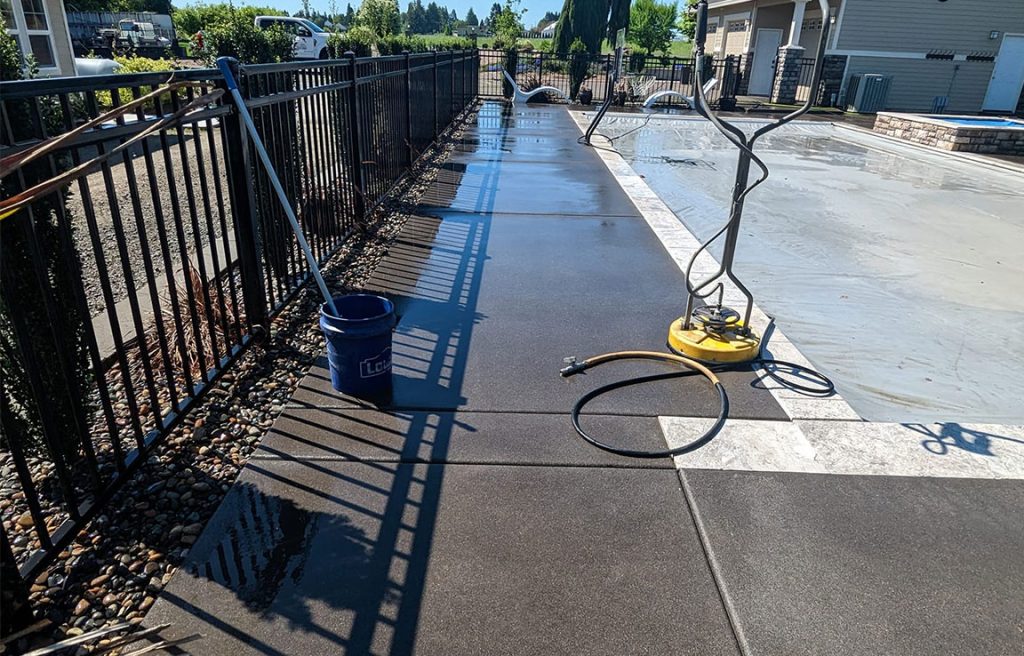
Step-by-step guide to pressure washing your driveway When pressure washing the driveway of your residential home, it is imperative to follow certain crucial steps for safety so as to produce the intended desired result. Before you hook up the pressure washer, you may want to move large debris with a push broom or a leaf blower to give better access to the surface that needs to be cleaned with your pressure washer. To begin the initial steps of cleaning, you must line up the equipment and have the proper knowledge. The first piece of equipment that you will need is access to water and a garden hose. The garden hose will be feeding your pressure washer. If you are using a pressure washer from a store like Home Depot or Lowe’s, you likely will not need a larger tank to pull water from, such as a buffer tank. Hooking the spigot directly up to your pressure washer, you will then turn the water access on. After turning on the spigot to the pressure washer, make sure that you have your pressure line hooked up to the pressure washer unit. Connect the Lance and wand with the correct size tip on the end of your pressure washing line. Special caution- If you do not use the intended and correct size tips for your pressure washer that you purchased or rented, then you can damage the unloader valve. The unloader valve can be damaged because the orifice on the end of the pressure line is not the correct size it can confuse the springs and will cause it to open and shut incorrectly and not monitor the flow of pressure coming through the pump. Now that you have everything cleared off and you have your pressure washer ready, you need to start thinking about safety before you turn it on. Eye protection is an absolute must. Many people damage their eyes using high-powered water equipment tools such as pressure washers each year. This is easily mitigated by covering your eyes with simple eye protection. The next piece of safety equipment that is an absolute must is ear protection. Regardless of what type of pressure washer you are using, the decibels most likely will exceed what you should be hearing through your ears for a long duration of time. Gloves are also a really good idea here at Power washing professionals in Vancouver, Washington. Our local small business enjoys using small, light, thin gardening gloves to protect our employees’ hands from abrasion and the simple duties of work activity along with chemical stains. After setting all of your safety equipment up properly and having all of your equipment ready, You are ready to start the pressure washer and begin cleaning. To start the pressure washer, make sure that you pull on the trigger to allow flow so that the pump can spin freely to start the motor. Once you pull on the motor, start the cable and have the trigger open with the choke open as well, then close slowly after the machine begins running to allow it to get off choke mode. Now that the machine is running, you are ready to begin cleaning. When using a small or large rotary style, surface cleaners always start on the outside perimeter and create a box pattern with your approach to the cleaning surface. After boxing in the entire surface, now create an even line up and down the driveway with your surface cleaner. If you’re not getting the desired result, make sure you slow down so that the bars on the surface cleaner have time to do their work. After using the surface cleaner, take off the surface cleaner attachment and switch to a 25° or 15° fan tip. Use your fan tip and pressure line to get in the cracks and rinse the surface clean. Make sure you rinse all surrounding housing, cars, and all structures to reveal the natural beauty of your new driveway now!
Step-By-Step Guide to Pressure Washing Your Driveway
Remember to consult your pressure washer’s manual for specific instructions and safety guidelines. Additionally, be cautious when pressure washing near delicate surfaces or close to plants, as the force can cause damage.