The Impact of Pressure Washing on Curb Appeal: A Comprehensive Guide
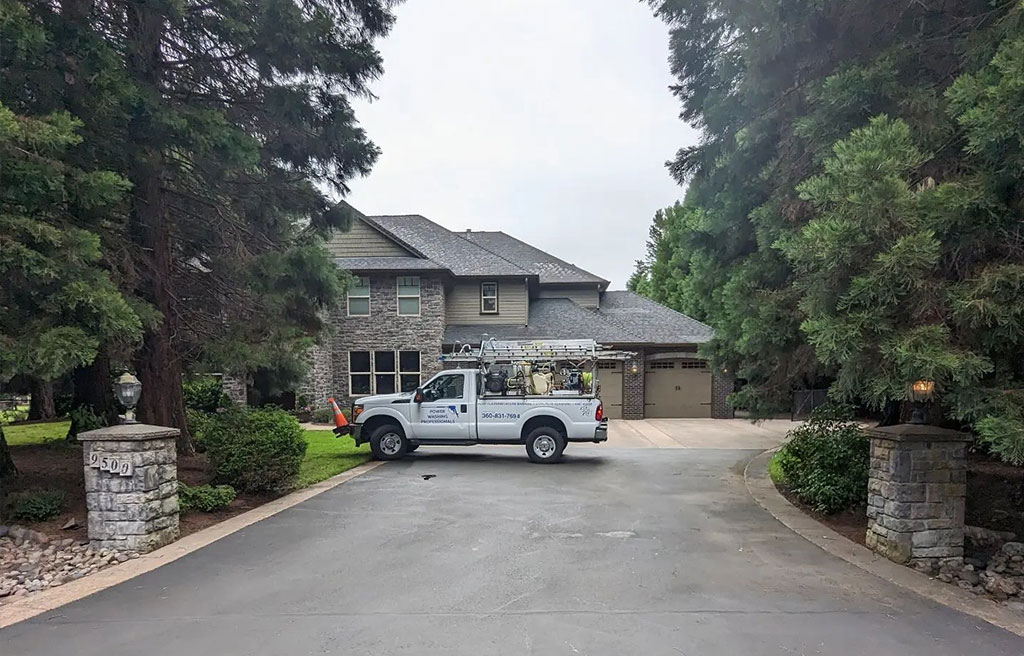
Curb appeal, the aesthetic appeal of a property as seen from the street, is a critical factor in a home’s overall value and desirability. One often overlooked but highly effective method to enhance curb appeal is pressure washing. This process involves using high-pressure water to clean and remove dirt, grime, mold, mildew, and other pollutants from various surfaces. Below, we delve into the intricate connection between pressure washing and curb appeal, outlining its significance and how to employ it effectively. 1. Restoring the Shine Over time, outdoor surfaces like driveways, sidewalks, and siding accumulate dirt, algae, and other unsightly substances. This can lead to a dull and lackluster appearance. Pressure washing can swiftly restore the shine and vibrancy of these surfaces, making them look refreshed and well-maintained. 2. Removing Stubborn Stains Stains from oil, rust, or organic matter can be particularly challenging to remove from outdoor surfaces. Pressure washing is highly effective in eliminating these stubborn stains, providing a clean and inviting look that significantly boosts curb appeal. 3. Enhancing Property Value A well-maintained exterior speaks volumes about a property’s overall condition. When potential buyers or visitors approach a home with a clean and inviting facade, they are more likely to perceive it as well-cared-for and, consequently, more valuable. This positive first impression can translate into a higher perceived value of the property. 4. Preventing Long-Term Damage Mold, mildew, and algae can not only mar a property’s appearance but also cause long-term damage. If left untreated, these contaminants can deteriorate surfaces over time, leading to costly repairs. Pressure washing effectively removes these threats, preventing potential structural damage and prolonging the life of your exterior. 5. Revitalizing Outdoor Spaces Decks, patios, and other outdoor areas are susceptible to dirt, grime, and organic growth. Pressure washing these surfaces not only restores their visual appeal but also provides a clean and safe environment for relaxation, entertaining, or other outdoor activities. 6. Preparing for Painting or Staining Before applying a fresh coat of paint or stain to surfaces like siding, decks, or fences, it’s essential to start with a clean canvas. Pressure washing ensures that the surface is free from dirt, mold, and other contaminants, allowing for better adherence of paint or stain. This leads to a more even finish and a longer-lasting result. 7. Environmentally Friendly Cleaning Pressure washing relies on high-pressure water rather than harsh chemicals to clean surfaces. This makes it an environmentally friendly option for maintaining curb appeal, as it minimizes the use of harmful chemicals that can leach into the soil or water supply. 8. A Cost-Effective Solution Compared to other exterior cleaning methods, such as manual scrubbing or chemical treatments, pressure washing is often more cost-effective. It can be a one-time investment or a service offered by professional cleaning companies. The savings in time and effort can be substantial, especially for larger properties. Conclusion: Maximizing Curb Appeal with Pressure Washing In conclusion, the connection between curb appeal and pressure washing is undeniably significant. This powerful cleaning method not only restores the visual appeal of a property but also offers long-term benefits in terms of maintenance and preservation. By investing in pressure washing, homeowners can enhance their property’s value, create a positive first impression, and enjoy a well-maintained exterior for years to come. Whether performed as a DIY project or by hiring a professional, pressure washing is a valuable tool in the quest for an attractive and inviting home.
The Impact of Mold and Mildew on Your Home’s Exterior: How to Combat Them
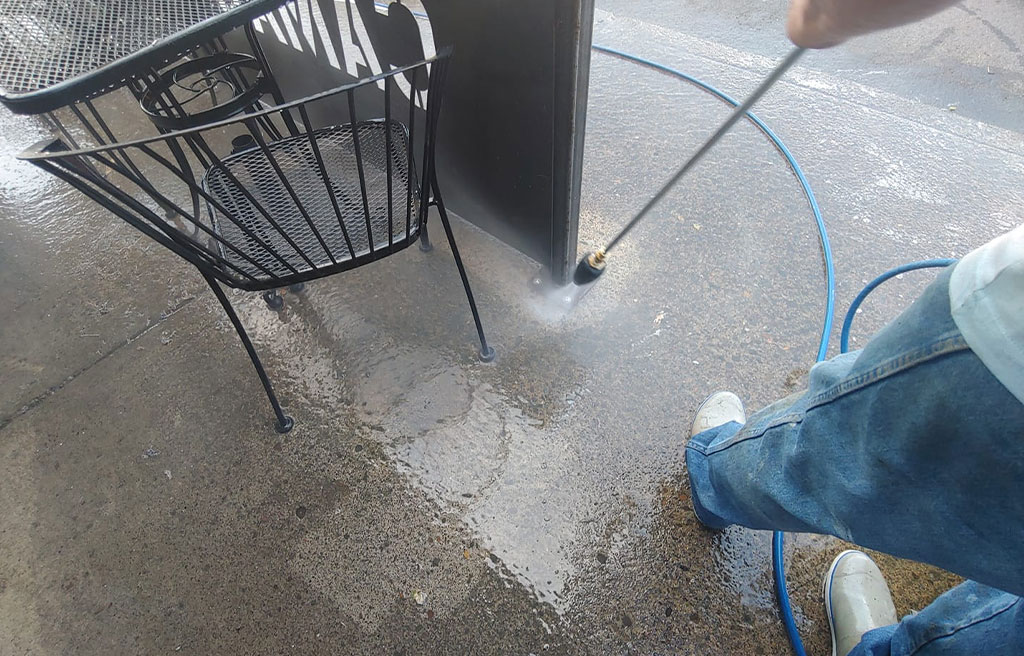
Mold and mildew are common culprits when it comes to exterior home maintenance. These unsightly growths not only diminish the aesthetic appeal of your property but also pose potential health risks and can lead to structural damage if left untreated. Understanding the impact of mold and mildew and implementing effective combat strategies is crucial for the well-being and longevity of your home. The Destructive Duo: Mold and Mildew Mold and mildew are types of fungi that thrive in damp, humid environments. They reproduce by releasing spores into the air, which can settle on surfaces and take root. When left unchecked, these organisms can cause a range of problems for your home. Structural Damage One of the most significant impacts of mold and mildew is their potential to cause structural damage. They can infiltrate porous materials like wood, weakening them over time. This can lead to rotting, warping, and, in severe cases, compromise the integrity of your home’s structure. Aesthetic Deterioration Beyond structural concerns, mold and mildew can mar the visual appeal of your home. They often appear as dark spots or streaks on siding, roofs, and other exterior surfaces. This not only looks unsightly but can also decrease the value of your property. Health Risks Mold spores can become airborne and be inhaled, potentially causing health issues, especially for individuals with allergies, asthma, or compromised immune systems. Exposure to mold and mildew can lead to respiratory problems, skin irritation, and other allergic reactions. Combat Strategies: How to Fight Back Combatting mold and mildew requires a proactive approach that focuses on prevention, regular maintenance, and targeted treatment. Here are effective strategies to keep your home’s exterior mold and mildew-free: 1. Ensure Proper Drainage Adequate drainage is critical in preventing water from pooling around your home. Make sure gutters and downspouts are clear of debris and direct water away from the foundation. Proper grading around your property can also help prevent water from accumulating near the exterior walls. 2. Remove Organic Debris Leaves, twigs, and other organic matter provide a fertile ground for mold and mildew growth. Regularly clean gutters, remove debris from roofs, and trim back vegetation that may be too close to your home’s exterior. 3. Maintain Ventilation Proper ventilation helps regulate humidity levels, which in turn discourages mold and mildew growth. Ensure that attic spaces are adequately vented, and consider installing exhaust fans in bathrooms and kitchens to reduce moisture buildup. 4. Apply a Mold-Resistant Coating Consider using a mold-resistant coating on vulnerable surfaces. These coatings create a barrier that inhibits the growth of mold and mildew. They can be applied to siding, roofs, and other exterior materials. 5. Regular Cleaning Regular cleaning is perhaps the most effective way to combat mold and mildew. Pressure washing is an excellent method for removing surface-level growth and preventing further colonization. However, it’s crucial to use the appropriate cleaning solutions and techniques to avoid damaging the surfaces. 6. Professional Inspection and Remediation If you suspect a more serious mold or mildew infestation, it’s advisable to seek professional help. Experts can conduct a thorough inspection to identify the extent of the problem and implement targeted remediation strategies. 7. Monitor and Maintain Regular inspections of your home’s exterior can help catch mold and mildew growth early. Promptly address any signs of infestation to prevent further damage. In conclusion, the impact of mold and mildew on your home’s exterior can be far-reaching, from structural damage to health risks and diminished aesthetics. However, with proper prevention, maintenance, and treatment strategies, you can effectively combat these troublesome growths. By implementing these measures, you not only protect the value and integrity of your property but also create a healthier and more visually appealing environment for you and your family. Thank you for reading!
The Best Time of Year to Pressure Wash Your Home
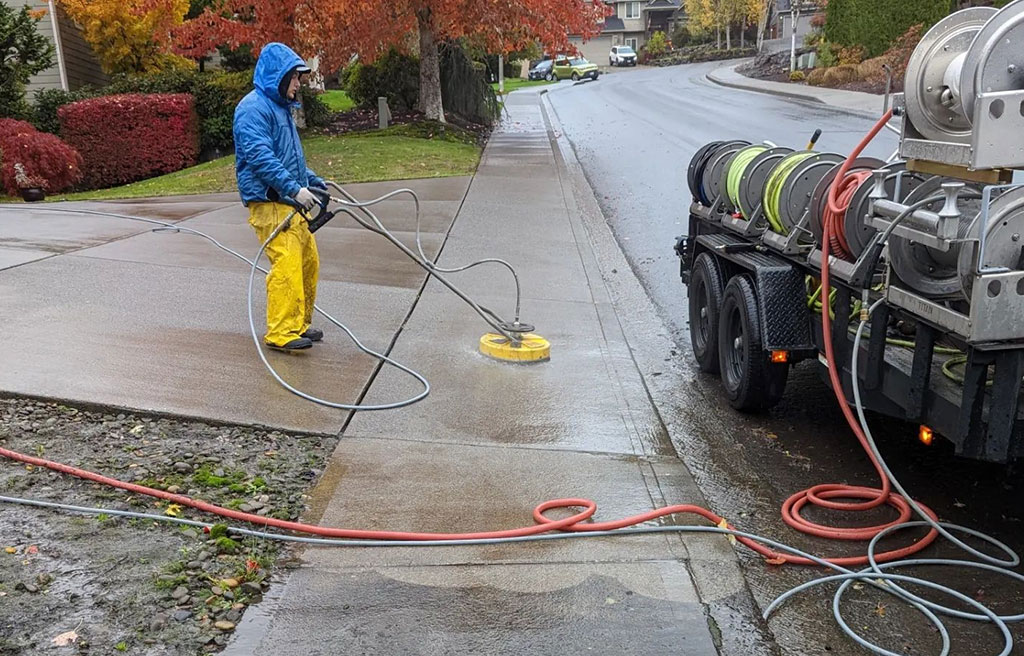
Maintaining the exterior of your home is an essential aspect of property ownership. Among the various methods available, pressure washing stands out as a powerful tool for cleaning surfaces like siding, decks, driveways, and more. However, choosing the right time of year for this task can make a significant difference in the effectiveness and longevity of the results. Spring: A Fresh Start As winter gives way to spring, it brings with it a sense of renewal and freshness. This is an ideal time to undertake a thorough pressure washing of your home. Winter often leaves behind a layer of grime, salt, and other debris on your exterior surfaces. A springtime pressure wash not only revitalizes the appearance of your property but also helps prevent potential damage caused by prolonged exposure to these elements. Moreover, the moderate temperatures of spring provide a comfortable environment for this task. The weather is typically warm enough to allow for efficient cleaning without the extreme heat that can sometimes be encountered in the summer months. Summer: A Season of Shine Summer, with its longer days and abundant sunshine, is another excellent time to consider pressure washing. The dry weather provides optimal conditions for cleaning, as the surfaces can dry quickly after the wash. Additionally, summer is a popular time for outdoor gatherings and activities, so having a clean and appealing exterior can enhance your overall enjoyment of your property. However, it’s important to be mindful of the heat during peak summer months. High temperatures can cause the cleaning solutions to dry too quickly, potentially leaving streaks or residue on your surfaces. Therefore, it’s advisable to schedule your pressure washing sessions in the morning or late afternoon when the sun is not at its zenith. Fall: Preparing for Winter As autumn sets in, leaves start to fall and winds carry debris onto your property. Pressure washing in the fall can help prepare your home for the upcoming winter season. By removing accumulated dirt, leaves, and other organic matter, you can prevent potential damage and prolong the life of your exterior surfaces. Moreover, fall pressure washing can be particularly beneficial for surfaces that are prone to mold and mildew growth. Removing these contaminants before winter arrives can help prevent them from taking hold and causing more extensive damage over time. Winter: A Special Consideration While pressure washing in winter is possible in some regions with milder climates, it’s generally not the most recommended time for this task. Cold temperatures can lead to freezing of the water, which may damage the equipment and create unsafe conditions. Additionally, the effectiveness of some cleaning agents can be reduced in very low temperatures. If you find it necessary to pressure wash during winter, it’s crucial to choose a day when temperatures are above freezing and there’s no risk of precipitation. Take extra precautions to ensure the safety of both yourself and your property. In conclusion, the best time of year to pressure wash your home depends on a variety of factors, including your climate, the condition of your exterior surfaces, and your specific cleaning goals. Generally, spring and summer offer optimal conditions for this task, while fall can be an excellent time to prepare for the challenges of winter. Regardless of the season, it’s important to approach pressure washing with proper safety measures and equipment to ensure the best results for your home.
Finding the Optimal Season: When to Pressure Wash Your Home
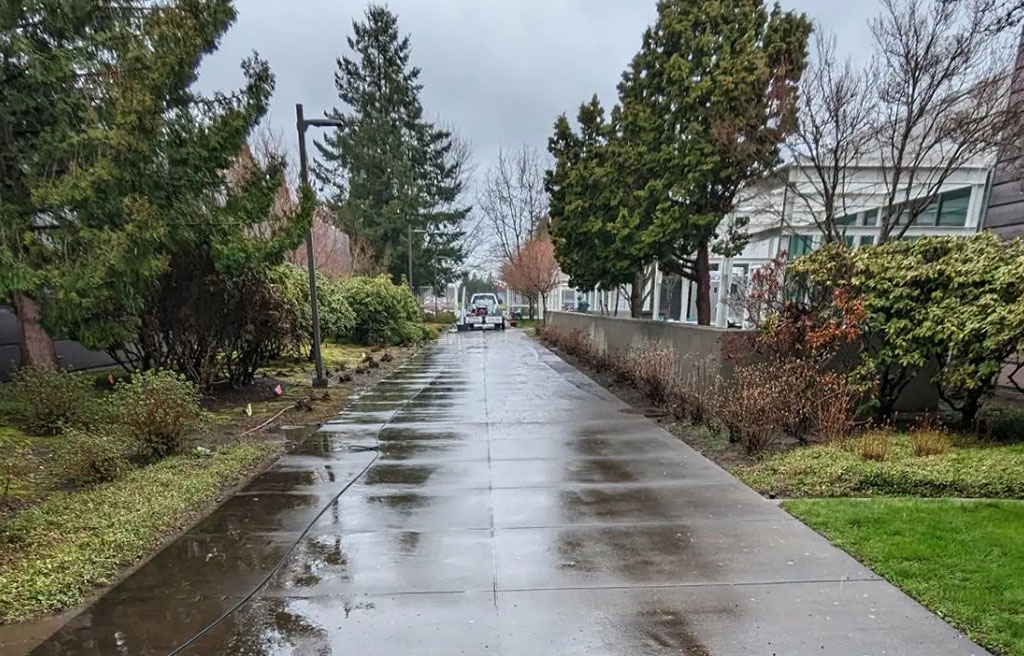
Pressure washing is a crucial aspect of home maintenance, breathing new life into your exterior surfaces. However, timing is everything when it comes to this task. Different seasons present unique advantages and considerations. Let’s delve into the best times of the year to unleash the power of your pressure washer. As nature awakens, so does the need to rejuvenate your home’s exterior. Spring is an ideal time for pressure washing. The remnants of winter, from grime to salt deposits, are powerfully expelled, revealing the fresh face of your residence. This season grants your home a clean slate, erasing the signs of a long, harsh winter. The milder temperatures and longer days provide the perfect backdrop for this revitalizing endeavor, ensuring your property is ready to shine throughout the warmer months. When the summer sun graces your surroundings, it’s the perfect time to let your pressure washer shine. The combination of clear skies and dry weather is an asset to this task. Water dries quickly, minimizing the risk of streaks or water spots. Furthermore, summer often sees an increase in outdoor gatherings and events. A freshly pressure-washed exterior sets an inviting stage, leaving a lasting impression on guests and enhancing your overall enjoyment of outdoor spaces. As leaves fall and the air turns crisp, it’s a strategic move to prepare your home for the winter ahead. Autumn is an opportune time for pressure washing. The accumulation of falling leaves, along with mold and mildew growth, can take a toll on your home’s appearance and structural integrity. A thorough pressure wash can swiftly address these issues, safeguarding your property from potential damage. It’s an investment in the longevity and resilience of your home, ensuring it weathers the coming winter with grace. While winter isn’t the primary season for pressure washing, there are exceptions. After a mild winter storm or if your area experiences a particularly temperate season, seizing a dry, above-freezing day can be an opportunity for a light touch-up. However, it’s crucial to exercise caution in colder temperatures, as water freezing on surfaces can lead to hazards. In the grand symphony of home maintenance, timing plays a vital role. Each season offers a unique backdrop for pressure washing, whether it’s the revival of spring, the radiance of summer, the preparations of autumn, or even the occasional winter touch-up. Consider your specific needs and local climate when determining the best time to unleash the power of your pressure washer. By doing so, you’ll not only enhance your home’s curb appeal but also extend its lifespan, ensuring it stands strong for years to come.
The Five Common Mistakes to Avoid When Pressure Washing Your House
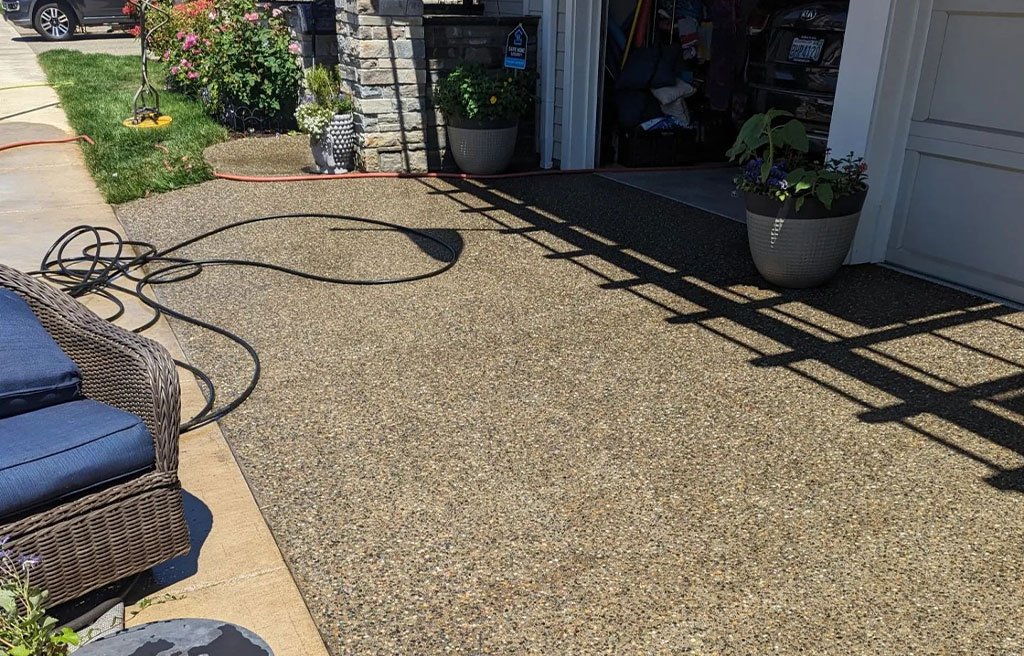
Pressure washing can be an effective way to spruce up the exterior of your home, removing dirt, grime, and even some stubborn stains. However, if not done correctly, it can lead to costly damage and safety hazards. Here are five common mistakes to steer clear of when pressure washing your house. 1. Using Too Much Pressure One of the biggest mistakes homeowners make is using too much pressure when pressure washing. While it might seem logical to use the highest setting for maximum cleaning power, this can lead to unintended consequences. High pressure can damage siding, strip paint, and even erode wood. It’s important to start with a lower pressure setting and gradually increase if necessary. Test a small, inconspicuous area first to gauge the appropriate level of pressure. 2. Neglecting Safety Precautions Safety should always be a top priority when pressure washing. It’s crucial to wear appropriate protective gear, including safety goggles and gloves. Additionally, be mindful of your surroundings. Avoid pressure washing near electrical outlets or fixtures, and ensure the power source and equipment are in good working condition. If you’re unsure about any aspect of safety, consult the manufacturer’s guidelines or seek professional advice. 3. Holding the Nozzle Too Close Maintaining the correct distance between the nozzle and the surface being cleaned is crucial. Holding the nozzle too close can result in gouging, etching, or even chipping of the material. For most surfaces, a distance of around 12-18 inches is recommended. However, softer materials like wood may require a greater distance. Always consult the manufacturer’s recommendations for your specific pressure washer and the surface you’re cleaning. 4. Ignoring Cleaning Solutions or Using the Wrong Ones Water alone may not be enough to tackle tough stains or deeply embedded grime. Using appropriate cleaning solutions can enhance the effectiveness of your pressure washing. However, it’s important to choose the right detergent for the job. Avoid using bleach or harsh chemicals, as they can be harmful to plants, animals, and the environment. Opt for biodegradable, eco-friendly cleaners that are specifically designed for pressure washers. 5. Overlooking Proper Technique Effective pressure washing involves more than just spraying water at high pressure. It requires a systematic approach. Start from the top and work your way down, ensuring that you’re covering all areas evenly. Use broad, sweeping motions to avoid streaking or uneven cleaning. Take your time and pay extra attention to heavily soiled areas. If you’re uncertain about the best technique for a particular surface, consult the pressure washer’s manual or seek professional advice. In conclusion, pressure washing can be a transformative tool for cleaning the exterior of your home, but it must be done with care and attention to detail. By avoiding these five common mistakes, you’ll not only achieve a cleaner, more appealing exterior, but you’ll also prevent potential damage and ensure a safer process overall. Happy pressure washing!
The Importance of Gutter Cleaning Services for Every Homeowner
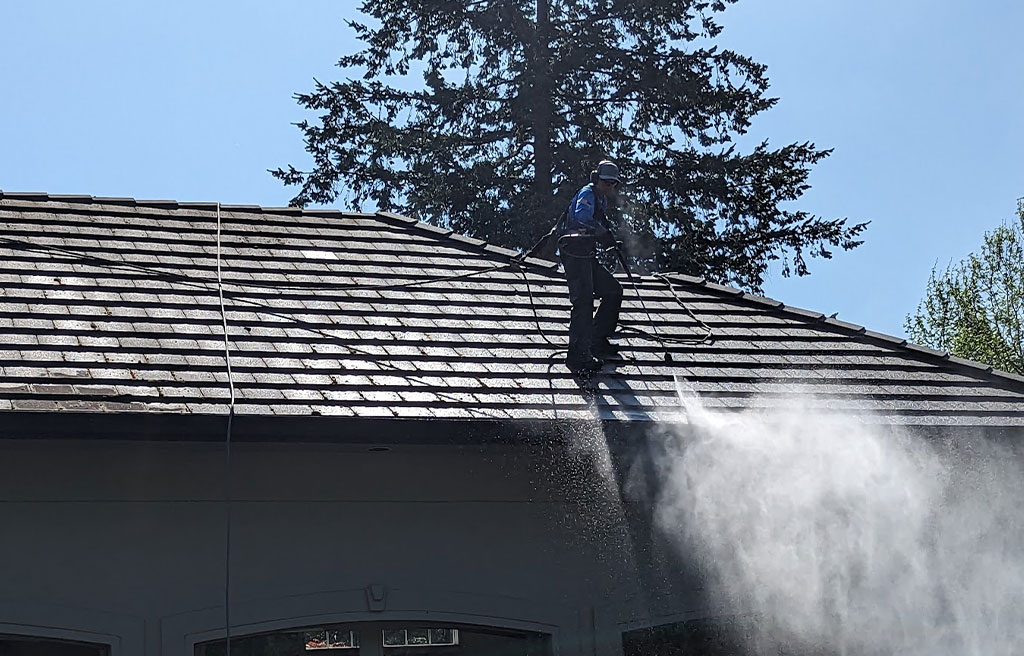
As a homeowner, you strive to maintain the overall well-being of your property. One often overlooked aspect of home maintenance is gutter cleaning. While it may seem like a minor task, neglecting the cleanliness of your gutters can lead to significant problems down the line. In this blog post, we will discuss why gutter cleaning services are essential for every homeowner. 1. Prevents Water Damage : One of the primary functions of gutters is to channel rainwater away from your home’s foundation. However, over time, gutters can become clogged with leaves, debris, and even nests of birds or insects. When the gutters are blocked, rainwater cannot flow freely, causing it to overflow and potentially seep into your foundation. This can lead to costly water damage, including basement flooding, cracked walls, and weakened structural integrity. Regular gutter cleaning ensures that rainwater is effectively directed away from your home, preventing such damage. 2. Protects Landscaping : Clogged gutters not only pose a threat to your home’s foundation but also to your landscaping and exterior. When gutters overflow, the excess water can spill onto flower beds, lawns, and shrubs, causing soil erosion and potentially damaging your plants. Additionally, the constant overflow of water can stain and deteriorate your home’s exterior, leading to costly repairs or repainting. By scheduling regular gutter cleaning services, you can safeguard your landscaping and maintain the aesthetic appeal of your home. 3. Prevents Pest Infestations : Clogged gutters create an ideal habitat for pests, including mosquitoes, ants, birds, and rodents. The stagnant water in clogged gutters becomes a breeding ground for mosquitoes, while the accumulated debris provides a cozy nesting spot for insects and animals. These pests can find their way into your home and cause further damage. By investing in professional gutter cleaning services, you can eliminate the conditions that attract and harbor pests, reducing the risk of infestations and the associated health hazards they bring. 4. Extends Gutter Lifespan: Regular gutter cleaning not only benefits your home but also extends the lifespan of your gutters. When gutters are clogged, the weight of debris and stagnant water puts excess strain on them. Over time, this can lead to sagging, rusting, or even detachment from your home. By having your gutters cleaned, you remove the debris and prevent unnecessary stress on the system, ensuring they function optimally for years to come. This proactive approach saves you money in the long run by avoiding costly repairs or premature gutter replacement. Gutter cleaning services may seem like a small task, but they play a crucial role in maintaining the integrity and longevity of your home. By preventing water damage, protecting your landscaping, warding off pests, and extending the lifespan of your gutters, regular cleaning is a wise investment for every homeowner. Don’t neglect this essential maintenance task and ensure the well-being of your property for years to come.
Seven Signs Your Home Needs A Professional House Washing
Why is Gutter Cleaning Important?
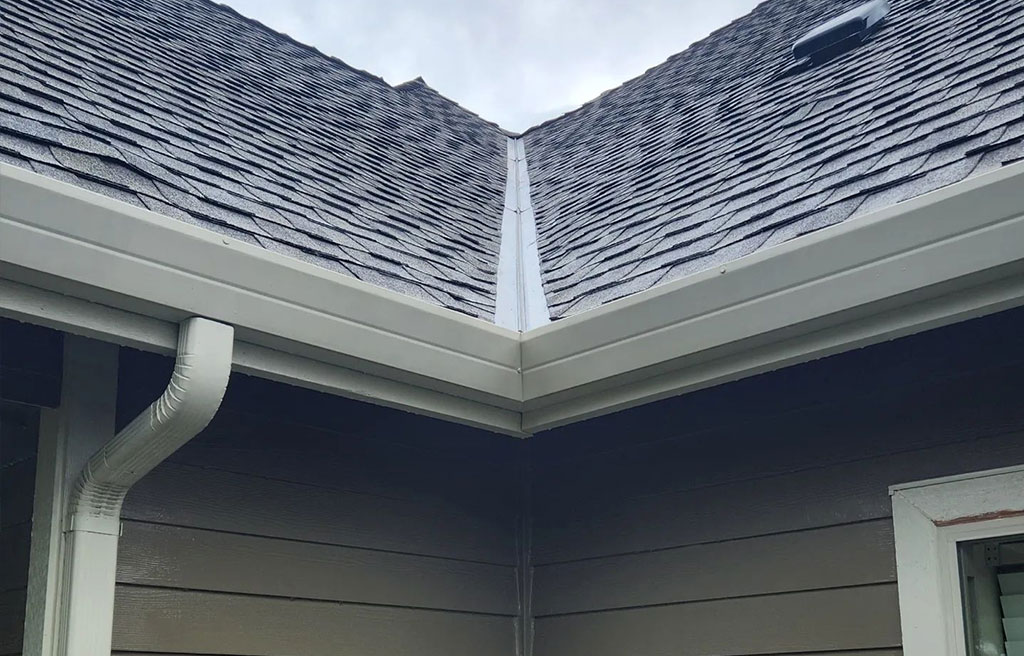
Gutter cleaning is an unsung hero that’s crucial to keeping your property in good condition all year long. Rain gutters help protect your house from serious water damage, but if they’re not cleared out, and leaves build up in the fall, they’re more likely to damage your home than preserve it. You may even have to deal with serious maintenance issues come spring if you don’t perform an autumn gutter cleaning. The most important aspect of keeping your gutters and downspout cleared is so that the rain and debris don’t overflow and start flooding the foundation of the home. Still not convinced you need fall gutter cleaning services this year? Here’s everything you should know about gutter cleaning, including more on why it’s so important and how to get the job done. Fall gutter cleaning Gutter Cleaning by Hand How Your Gutters Work and Why They Matter Gutters are the guards that keep your home from rain and water damage. They’re designed to transport rainwater from your roof and drain the water to the ground through a spout. Then, the water is directed away from the property and onto the lawn so it doesn’t pool near the basement and foundation. Without gutters, water would pool on your roof and lead to mold, rot, and deterioration of your roof shingles, fascia, walls, etc. When you choose to bring in a gutter cleaner for an annual fall cleanup, you’re investing in the longevity of your property and minimizing the risk of extensive damage in a few years. How To Tell If Your Gutters Are In Shape If your gutters are clogged with debris, you may notice leaves and sticks poking out of them. You also can check to see if there is a lack of water drainage from the downspout. However, the fastest and most efficient way to tell if your gutters are in good shape is by calling in the pros. Gutter cleaning companies will assess whether there has been damage due to clogging and inform you if you need gutter cleaning services right away. How To Keep Your Gutters Well Maintained Want to prevent leaks in your home to keep your gutters well-maintained? You can hop on a ladder and clean out any debris that has built up over time. Ideally, it would be best if you cleaned your gutters twice a year in early fall and early spring to prepare for the seasons to come. However, the autumn clean is the most important. Autumn gutter cleaning clears out the pipes right in time for winter and prevents water from freezing inside. If you have trees around, it is good to keep them trimmed to prevent excess droppings of leaves, sticks, etc. Keep in mind that even if your trees are trim, wind can still carry unwanted gunk into your drains. Another step you can take towards having your gutter cleaner than last year is regular roof repairs. If you have a loose shingle, it can end up right in your gutter and block the pathway for water to travel downward. Inspect your roof to see if your shingles are cracking or curling. How Much Does Gutter Cleaning Cost? If climbing up onto your roof to remove a bunch of debris, leaves, and sticks isn’t your thing, or if it has been a while since your drains have been cleaned, you can always call for professional gutter cleaning services to get the job done right. Professional gutter cleaning costs between $80-$150 for a single-story 1,500 square-foot house. However, if you regularly use a gutter cleaner, it can save you thousands in damage repairs. According to Home Advisor, the average homeowner can spend up to $5,121 to restore or repair water damage. An autumn cleaning service isn’t even a fraction of the cost to repair extensive damage down the road. Conclusion Disregarding gutter maintenance can lead to more bills to repair your home’s water damage and even long-lasting health problems from mold and mildew. If you are confident in your ability to clean the gutters yourself, you can always climb up onto a ladder before the first snowfall. However, we think reaching out to professional gutter cleaning companies is the way to go. You’ll save time spent clearing out these spaces on a fall day when you could be relaxing, and you’ll guarantee a job well done.
What Is Pressure Washing?
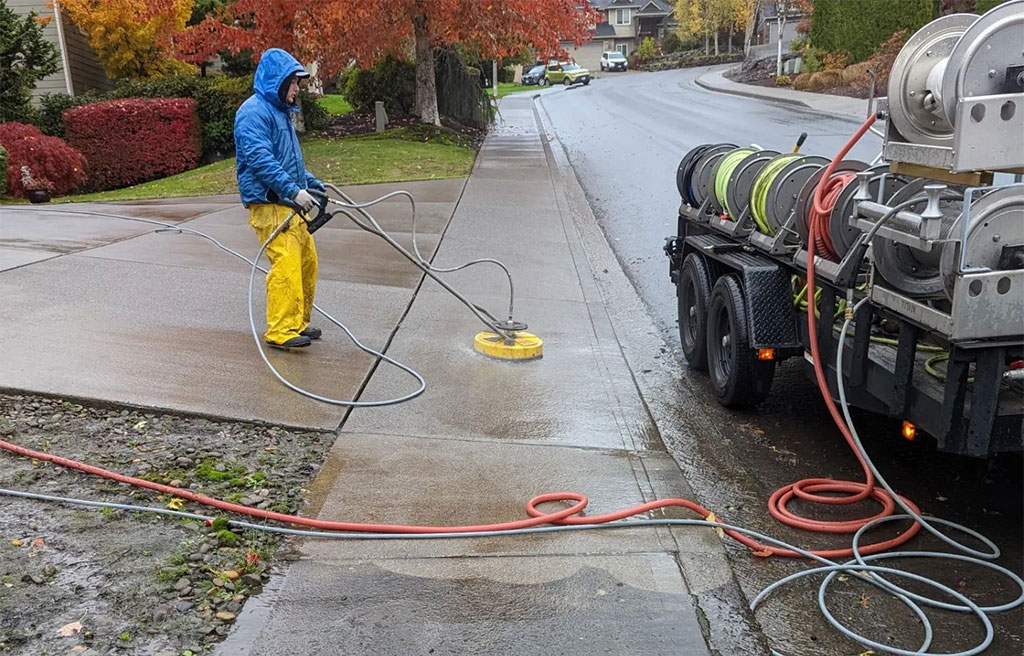
A pressure washer is great for cleaning a variety of surfaces and removing tough stains. But what’s the difference between pressure washing, soft washing, and hot washing? While these are all considered great ways to clean a dirty or stained surface, each cleaning method should be used for different purposes. To learn more about these three washes, their intended uses, and the benefits associated with each, read on. What Is Pressure Washing? Pressure washing is a type of wash that utilizes an electric or motor machine (known as a pressure washer) to expel a high-pressurized stream of water on a surface and remove dirt, grime, stains, and other debris. This type of wash is preferred by industrial cleaners and at-home users for its versatility and effectiveness at removing a wide variety of stains. Since the power of the stream is also adjustable, you can use it to clean several different surfaces. Here are some of the common uses for a pressure washer: As you can see, pressure washing can work on just about any outdoor surface when the pressure stream (PSI) is adjusted. And when paired with an industrial-grade cleaning solution, the possibilities for stain removal are endless. It’s important to note that pressure washing is not the same as power washing. While the two are very similar, there is one distinguishing factor: the water temperature. A pressure washer uses a room temperature water stream to clean, while a power washer uses a warm or hot water stream, making it suitable for use on durable surfaces. For example, you’d likely use a pressure washer to clean a window rather than a power washer. The same can be said of painted walls—if your intention is not to remove the paint, then choose a pressure washer and set the PSI low. So while pressure washing and power washing are often used interchangeably, it’s important to recognize the key difference of temperature between the two. We’ve discussed the importance of adjusting the pressure of the water stream, also known as the PSI (pounds per square inch), in order to protect the structure and appearance of the surface that is being cleaned. For more delicate surfaces, the PSI must be decreased, but for tougher surfaces like sidewalks, the PSI must be increased. Depending on which PSI you use for the job, your pressure washer will fall into two categories: Each process depends on the PSI you choose during a pressure washing job. Looking at figure one below you can see how PSI affects what pressure washing tasks take place. PSI pressure washing Check out the following sections for a more extensive overview of these two pressure cleaning processes. What Is Soft Washing? Soft washing is a term used to refer to a pressure wash where the handler uses a low-pressurized stream of water to remove stains, dirt, and other grime from a surface. To achieve a soft wash using a pressure washing system, you must lower the PSI, and in some cases, change out the nozzle attachment. However, there are specific machines known as soft washing systems that are intended strictly for soft cleaning and only use a low PSI. For reference, soft washing systems tend to have settings with 500 PSI and lower, while pressure washing systems tend to have settings with 300-3100 PSI. Soft Washing System Uses If you have a surface that you’d like to clean but are not sure if a high-pressurized blast is safe, then opt for a soft clean. Soft cleaning is great for use on crumbling or delicate surfaces such as: This is by no means a complete list of all the surfaces a soft washing system can clean, but it does help show the versatility this wash has, especially when it comes to cleaning the exterior of your home. Benefits of Soft Washing Soft cleaning is a great choice for homeowners who want to keep the outside of their home looking spick-n-span without having to worry about causing any damage. Here are only a few of the benefits of soft cleaning: Decreases risk of damage If the high-pressurized blast of pressure washing intimidates you, or you’re not sure which PSI to use, then using a soft washing attachment or system instead can help you decrease the chances of damaging your surface. Increases curb appeal & longevity of your house. Since this delicate wash is used mostly to clean the exterior of homes, it helps make your home look like new. Not only does it increase your home’s curb appeal, but the longevity of your home. Keeping up with your soft washing helps remove bacteria, algae, and other debris from your home that can cause long-term and expensive damage. Eco-friendly Soft washing only consists of water. If you want to get the most out of your wash, then pair the low-pressurized stream with a biodegradable cleaning solution for the most effective and eco-friendly clean. What Is Hard Washing? Hard washing refers to the process of cleaning a surface with a high-pressurized blast. When you think of pressure washing, this is the kind of washing you most likely think of. The PSI is normally set to 1000 or higher depending on the durability of the surface and the toughness of the stain trying to be removed. Hard Washing Uses Hard washing is most often left to the professionals who know the right PSI to use for each surface. Like soft cleaning, this process also is made more effective with the use of an industrial-grade cleaning solution to get out tough stains. Hard washing and pressure washing are synonymous when it comes to using a high-pressurized blast for this pressure cleaning system. Here are a few durable surfaces where a hard wash is preferable over a soft wash: Benefits of Hard Washing As with pressure and soft cleaning, there are several benefits associated with hard cleaning. Perfect for resilient stains If you’ve tried everything to remove a stain and it just won’t budge, then hard cleaning can
How to Safely Clean Vinyl Siding With the Pressure Washing
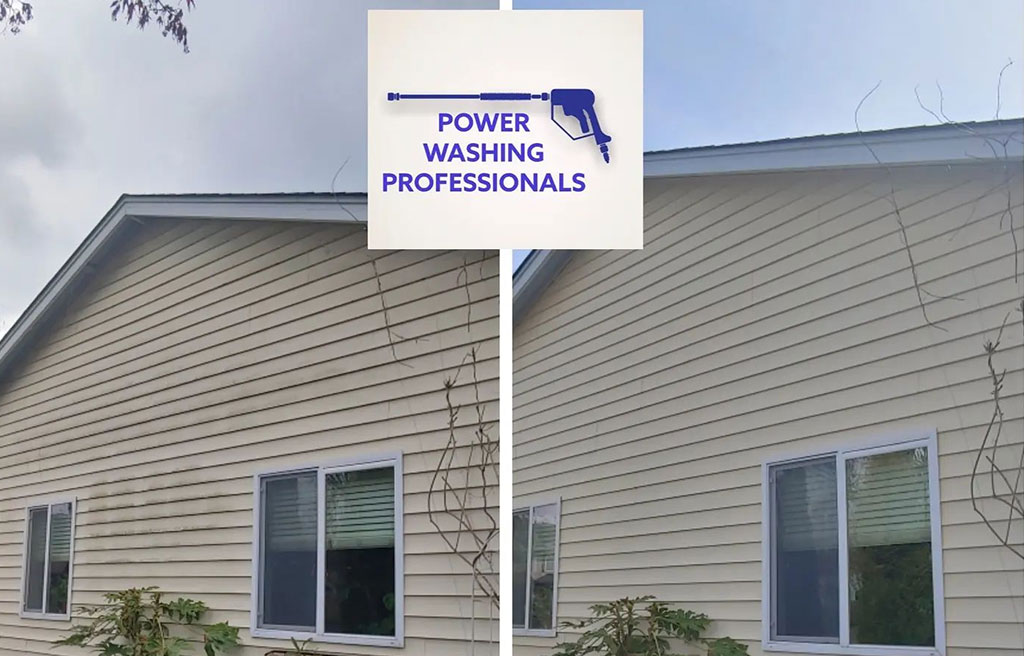
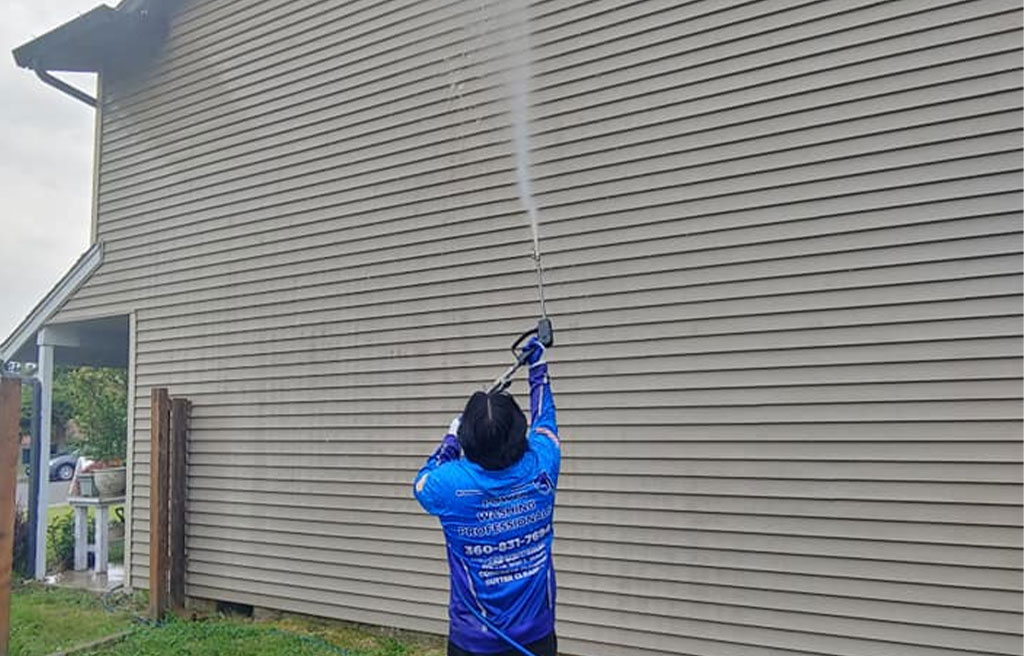
Pressure washing and soft washing are completely different in the sense that soft washing uses chemical detergents to loosen up moss, mold, mildew and algae from the surface you’re cleaning prior to rinsing. The reason why I soft washing is so extremely important to use as a technique while cleaning vinyl is that vinyl is extremely sensitive and can damage easily. From the manufacturer, vinyl siding has a protective coating on the outside of the plastic. The protective coating is there to resist ultraviolet rays and prolong the life of the siding while exposed to harsh elements for extended years. When contractors apply direct pressure with too much force to the siding, the outside protective coating on the outside layer of the vinyl is removed. This can be seen on most houses that we wash. Many homeowners think that if they take a pressure washer to rinse off the organics, that is sufficient. When using pressure alone on vinyl siding to remove the organics, typically we see an oxidization or a flat chalky look to the siding. The correct way to soft wash the exterior of a vinyl home or structure with vinyl siding is to use soaps and detergents prior to rinsing with a high volume and low pressure washing unit. So open detergents can be applied with low pressure upon the surface of the vinyl. After the soaps and detergents are applied then the cleaning technician allows the soaps and detergents to dwell and break down the organics. Once the organics have been broken down sufficiently, then the cleaning technician uses low PSI and high GPM to rinse the house or structure. When using too much psi, it is easy to push water behind different surfaces of flashing and in between siding. It is also imperative to cover up any outlets or electrical openings so as not to damage any of the circuits We here in Vancouver, Washington at power washing professionals like to use a few different types of tape to mask off any potential dangers and hazards while performing the exterior cleaning. Once the soaps and detergents have been applied starting from the bottom and working up to the top of the structure, the chemical solution is allowed to dwell and then the technician begins to rinse. In many instances, there are lichens or organic growth that are difficult to remove without using a soft brush. This is why we like to carry a soft brush on a telescoping pole with a bucket so that we can touch up any hard to clean areas while we are out in the field cleaning a vinyl homes. Another thing to consider while soft washing the exterior of a vinyl home is the weep holes and the dirty drainage. Many customers are not aware that there are weep holes that allow for drainage on every piece of vinyl siding. When washing the exterior of a vital home, it is difficult to reveal this true splendor and beauty of the home unless the weep holes are rinsed around accurately. House washing and rinsing the exterior of vinyl sudaces is extremely satisfying because of the instant results that the exterior surface shows immediately! Thank you for reading this blog post about exterior washing for vinyl. Make sure that if you own a vinyl home that you are washing it every 12 to 18 months.