Algae Removal: A Comprehensive Guide for Homeowners
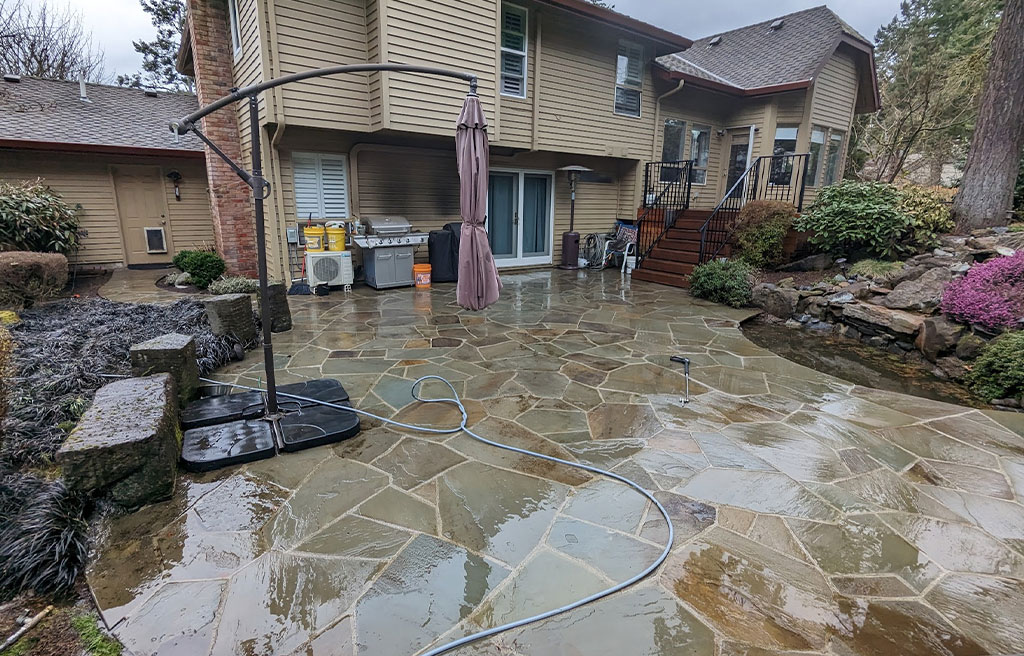
Algae, with its greenish or blackish appearance, can be a persistent and unsightly issue for homeowners. Whether it’s on your roof, siding, deck, or other outdoor surfaces, algae can detract from the aesthetic appeal of your home. Moreover, if left unchecked, it can cause damage to certain materials. This comprehensive guide will walk you through various aspects of algae removal, from understanding the types of algae to effective cleaning methods, ensuring your home maintains its pristine condition. Understanding Algae: Before diving into removal methods, it’s essential to understand the types of algae commonly found on residential surfaces. The most common culprits are green algae (commonly seen on roofs and siding) and black algae (often found on damp surfaces like decks and sidewalks). Identifying the type of algae you’re dealing with can guide your removal approach. The Dangers of Algae: While algae may seem harmless, its presence can lead to more significant issues. Algae can retain moisture, creating an environment conducive to mold and mildew growth. This not only poses health risks but can also compromise the integrity of surfaces over time. Additionally, algae can make surfaces slippery, presenting safety concerns. Preventive Measures: The best approach to algae is prevention. Regular maintenance can deter algae growth before it becomes a visible problem. Trim overhanging branches to reduce shade and promote quicker drying, and ensure proper drainage to prevent water accumulation. Applying algaecide treatments as a preventive measure can also be effective. DIY Algae Removal Methods: 1. Vinegar Solution: A mixture of white vinegar and water can be an effective and environmentally friendly solution for algae removal. Apply the solution to the affected area, scrub with a brush, and rinse thoroughly. 2. Baking Soda Paste: Create a paste by mixing baking soda with water. Apply the paste to the algae-covered surface, let it sit for some time, scrub, and rinse. Baking soda is abrasive enough to remove algae but gentle on surfaces. 3. Pressure Washing: For larger areas, a pressure washer can be a powerful tool. Adjust the pressure settings to avoid damage, and use an appropriate detergent to enhance the cleaning process. Be cautious with delicate surfaces like shingles to prevent damage. 4. Bleach Solution: A diluted bleach solution can effectively kill algae. Mix one part bleach with four parts water, apply to the affected area, let it sit, scrub, and rinse thoroughly. Exercise caution, as bleach can damage some surfaces and harm vegetation. Professional Algae Removal: If the algae problem is extensive or persists despite DIY efforts, hiring a professional algae removal service may be the best solution. Professionals have the expertise, specialized equipment, and access to commercial-grade cleaning agents to ensure thorough and safe removal. Roof Algae Removal: Algae on roofs is a common issue, particularly in humid climates. When addressing roof algae, it’s crucial to use methods that won’t damage roofing materials. Soft washing, a low-pressure cleaning method using specialized detergents, is often recommended for roof algae removal. Professionals skilled in roof cleaning can provide this service safely and effectively. Environmental Considerations: When dealing with algae removal, it’s important to consider the environmental impact of your chosen methods. Some cleaning solutions may contain chemicals harmful to plants, animals, or water sources. Always follow eco-friendly practices, such as using biodegradable cleaners and taking steps to minimize runoff. Post-Removal Maintenance: Once you’ve successfully removed algae, implement post-removal maintenance strategies to prevent its return. Regularly clean and inspect surfaces, address moisture issues promptly, and consider applying preventive treatments like algae-resistant coatings for roofs. Conclusion: Algae removal is a task that requires a strategic and informed approach. By understanding the types of algae, implementing preventive measures, and choosing effective removal methods, homeowners can maintain a clean and visually appealing exterior. Whether opting for DIY solutions or seeking professional assistance, the key is to address algae issues promptly to safeguard the aesthetics and longevity of your home.
The Impact of Weather on Your Home’s Exterior
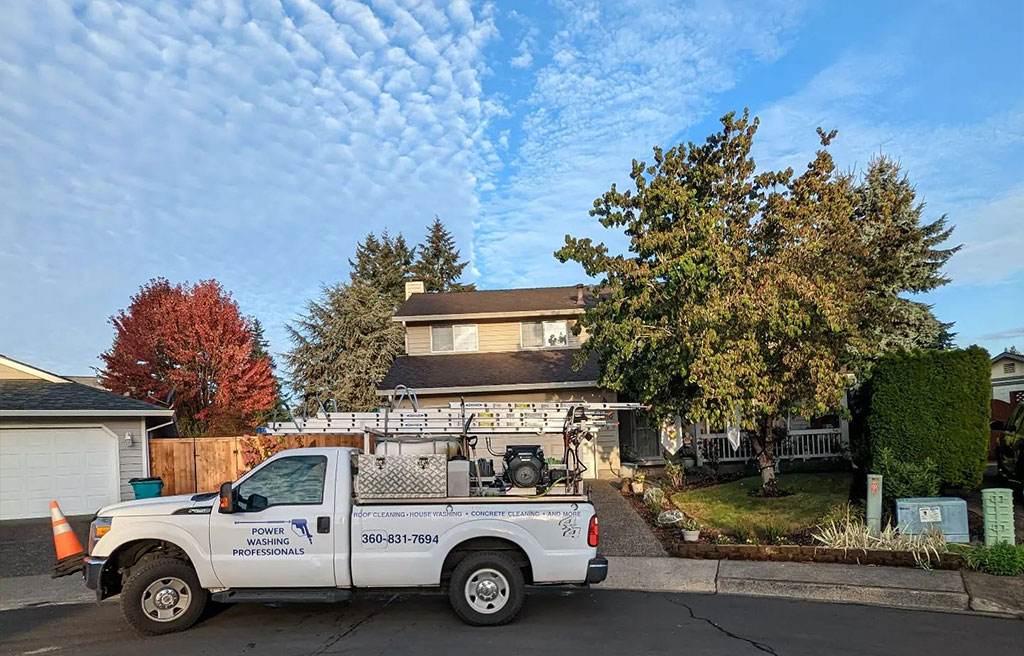
Weather can significantly impact the exterior of your home, gradually wearing it down and affecting its overall appearance and structural integrity. From the scorching heat of the sun to the relentless pounding of rain and the harsh cold of winter, your home’s exterior is constantly exposed to nature’s elements. Over time, this exposure can lead to the accumulation of dirt, grime, mold, mildew, and other unsightly substances on surfaces like siding, decks, and driveways. This is where pressure washing comes into play, offering an effective solution to maintain and restore your home’s exterior. One of the primary culprits affecting the exterior of your home is dirt and dust. These particles accumulate on surfaces, giving your home a dull and dirty appearance. In addition to the aesthetic impact, dirt and dust can also contribute to the deterioration of surfaces over time. The abrasive nature of these particles can cause scratches and wear on various materials, accelerating the aging process of your home’s exterior. Pressure washing proves to be a powerful tool in combating this buildup of dirt and dust. The high-pressure water stream generated by a pressure washer effectively dislodges and removes these particles from surfaces, restoring the original clean and vibrant look of your home. Whether it’s the siding, brick, or concrete, pressure washing can breathe new life into these surfaces, enhancing the curb appeal of your home. Mold and mildew are another set of challenges posed by weather conditions. Humid environments, combined with moisture from rain or dew, create ideal conditions for the growth of these unwelcome organisms. Not only do mold and mildew detract from the visual appeal of your home, but they can also pose health risks to occupants. Pressure washing serves as a preventative measure and a remedy for these issues. The forceful stream of water not only removes existing mold and mildew but also discourages their future growth, helping to maintain a healthy and clean environment around your home. Furthermore, the changing seasons bring their own set of challenges to your home’s exterior. Winter, in particular, can be harsh, with freezing temperatures, snow, and ice. These elements can take a toll on surfaces such as driveways, walkways, and decks. Ice, in particular, can lead to the formation of ice dams, causing water to seep into cracks and crevices. When the ice melts, it expands, exacerbating existing damage. Regular pressure washing can help prevent the buildup of ice and snow, safeguarding your home against the potential damage caused by winter weather. UV rays from the sun also contribute to the wear and tear of your home’s exterior. Prolonged exposure to sunlight can lead to fading and discoloration of surfaces, especially on painted or stained areas. Pressure washing proves to be a valuable tool in maintaining the vibrancy of these surfaces. By regularly cleaning away dirt and grime, you reduce the impact of UV rays and extend the lifespan of paint and finishes. In addition to cosmetic benefits, pressure washing can play a crucial role in preserving the structural integrity of your home. For instance, regular cleaning of gutters and downspouts is essential to prevent water damage. Accumulated leaves, dirt, and debris can clog these drainage systems, leading to water overflow and potential damage to the foundation of your home. Pressure washing provides an efficient means of clearing these areas, ensuring that water can flow freely away from your home, preventing costly water damage repairs. It’s important to note that while pressure washing offers numerous benefits, proper technique and caution are essential to avoid any unintended damage. The high-pressure stream can be too intense for certain materials, such as delicate wood or fragile surfaces. Therefore, it’s advisable to consult professionals or carefully follow manufacturer guidelines to ensure the safe and effective use of pressure washing equipment. In conclusion, the impact of weather on your home’s exterior is undeniable, and over time, it can lead to a range of issues from cosmetic deterioration to structural damage. Pressure washing emerges as a versatile and effective solution to counteract these effects. By regularly cleaning surfaces, you not only enhance the curb appeal of your home but also contribute to its longevity and overall well-being. As a proactive maintenance measure, pressure washing stands as a formidable ally in the ongoing battle against the forces of nature, helping your home weather the elements and remain a welcoming and resilient haven.
Understanding The Comprehensive Advantages Of A Clean Roof
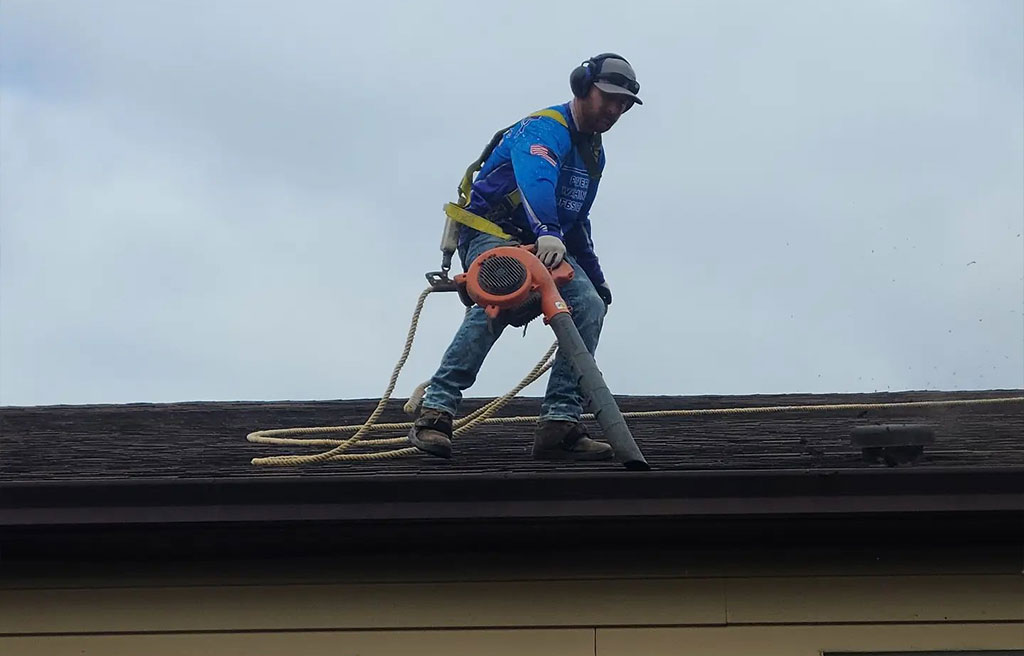
A clean roof goes beyond mere aesthetics, offering a myriad of benefits that extend to the structural integrity of your home, energy efficiency, and even your health. While a visually pleasing roof certainly adds to the curb appeal, understanding the comprehensive advantages of a clean roof underscores the importance of regular maintenance and cleaning. 1. Prolonged Roof Lifespan: stuff is that roll over the next year cuz I don’t. I just don’t know how he does bookkeeping I don’t know One of the primary benefits of maintaining a clean roof is the extension of its lifespan. Over time, moss, algae, lichen, and debris can accumulate on shingles, compromising their integrity. Regular cleaning removes these contaminants, preventing premature deterioration and ensuring the longevity of your roofing materials. 2. Preventing Roof Leaks and Water Damage: A clean roof is less susceptible to leaks and water damage. Debris, leaves, and organic growth can trap moisture, creating a conducive environment for mold and mildew. Over time, this moisture can penetrate the roof, leading to leaks and potentially causing significant damage to the interior of your home. Proper cleaning helps mitigate these risks by maintaining a dry and well-ventilated roofing system. 3. Energy Efficiency: A clean roof contributes to improved energy efficiency. Dark stains on the roof absorb more heat from the sun, causing the attic and, consequently, the entire home to become warmer. This increased heat absorption can result in higher energy bills as your cooling system works harder to maintain a comfortable temperature. Cleaning the roof reflects sunlight more effectively, reducing the heat absorbed and subsequently lowering your energy consumption. 4. Pest Prevention: Accumulated debris on the roof can create ideal habitats for pests such as rodents and insects. Overhanging branches or accumulated leaves provide easy access points for pests to enter your home. Regular roof cleaning eliminates these potential nesting areas, reducing the likelihood of infestations and protecting the structural integrity of your home. 5. Preserving Curb Appeal: While aesthetics are only one aspect, they remain important. A clean roof enhances the overall curb appeal of your home, contributing to a well-maintained and visually appealing exterior. This is particularly crucial if you’re considering selling your home, as a clean and well-presented roof can significantly influence potential buyers’ first impressions. 6. Maintaining Property Value: Closely tied to curb appeal is the impact on property value. A well-maintained roof signals to potential buyers that the entire property has been cared for and is less likely to have hidden issues. This perception can positively influence the perceived value of your home, making it a more attractive investment for potential buyers. 7. Healthier Living Environment: A clean roof contributes to a healthier living environment by preventing the growth of mold and mildew. These contaminants not only compromise the structural integrity of your home but can also have adverse effects on indoor air quality. Mold spores can infiltrate your home through the roof, potentially causing respiratory issues and allergies. Regular roof cleaning helps create a healthier indoor environment by minimizing the risk of mold-related health concerns. 8. Compliance with Warranty Requirements: Roof warranties often come with specific maintenance requirements. Neglecting these requirements can void the warranty, leaving you without coverage in case of unexpected issues. Regular roof cleaning ensures compliance with warranty terms, offering you peace of mind and financial protection in the event of any unforeseen problems. 9. Environmental Impact: A clean roof has positive environmental implications. Algae and moss growth on roofs can release spores into the air, affecting the local environment. Additionally, the runoff from a dirty roof may carry pollutants into nearby water sources. Regular cleaning helps mitigate these environmental impacts, promoting a more sustainable and eco-friendly approach to home maintenance. 10. Safety Concerns: A clean roof is a safer roof. Moss and algae can create slippery surfaces, especially when wet. Regular cleaning removes these hazards, reducing the risk of accidents and injuries associated with slippery roof conditions. This is particularly important for any maintenance or inspection activities that may require access to the roof. In conclusion, the benefits of a clean roof extend far beyond mere aesthetics. From prolonging the lifespan of your roofing materials to preventing leaks, improving energy efficiency, and promoting a healthier living environment, regular roof maintenance plays a pivotal role in the overall well-being and longevity of your home. By recognizing and embracing these comprehensive advantages, homeowners can make informed decisions about the importance of keeping their roofs clean and well-maintained.
Window Cleaning Techniques
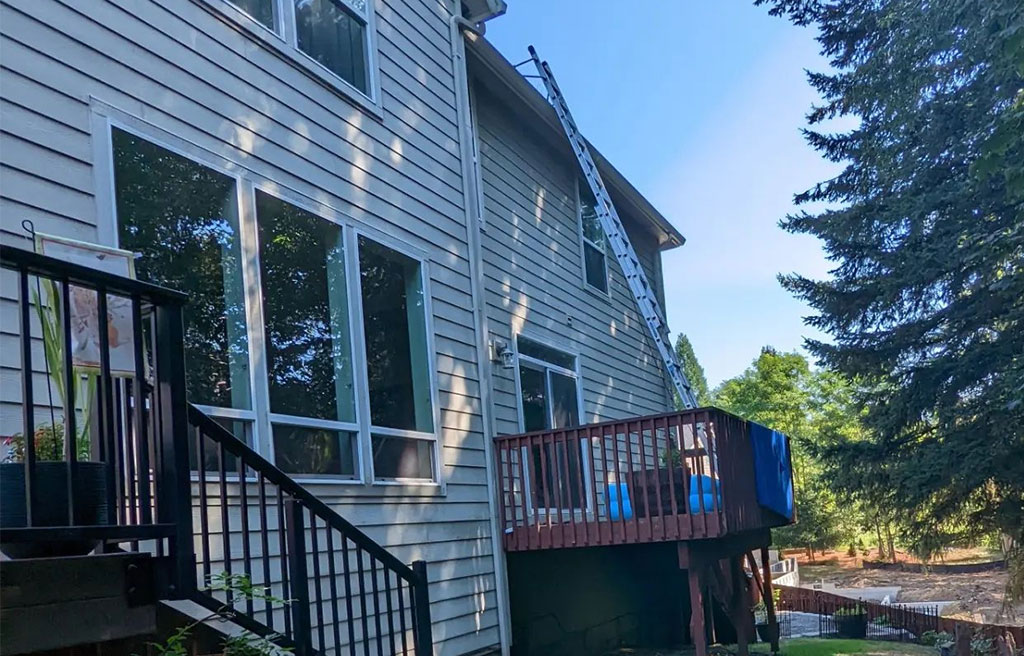
Proper window cleaning techniques play a crucial role in maintaining not just the aesthetic appeal of a building but also its overall functionality and longevity. Clean windows contribute to a positive first impression, improved natural light, and a healthier indoor environment. The importance of understanding and implementing effective window cleaning methods cannot be overstated. Firstly, clean windows enhance the visual appeal of any structure. Whether it’s a residential home or a commercial building, sparkling windows create a sense of cleanliness and order. This is particularly vital for businesses, as a well-maintained facade contributes to a positive brand image. Customers and visitors often form their initial judgments based on the exterior appearance of a building, making window cleanliness a pivotal aspect of overall curb appeal. Beyond aesthetics, proper window cleaning is essential for maximizing natural light penetration. Over time, windows accumulate dirt, dust, and grime, reducing the amount of sunlight that can enter a space. Clean windows not only brighten interiors but also positively impact occupants’ mood and productivity. In a residential setting, ample natural light can create a more comfortable and inviting atmosphere. Additionally, neglecting window maintenance can lead to long-term structural damage. Environmental elements, such as rain, pollutants, and mineral deposits, can gradually erode glass surfaces. Regular cleaning helps prevent corrosion and extends the lifespan of windows, saving property owners significant costs associated with replacements and repairs. Proper window cleaning is not just about appearances; it’s also crucial for ensuring a healthy indoor environment. Dirty windows can harbor allergens, mold, and other contaminants, negatively affecting indoor air quality. This is especially pertinent for individuals with respiratory issues or allergies. Regular window cleaning minimizes the accumulation of these pollutants, contributing to a cleaner and healthier living or working space. Furthermore, safety is a paramount consideration when it comes to maintaining windows. Dirty or streaked windows can impede visibility, posing risks for both pedestrians and motorists. This is particularly relevant for commercial properties with large glass facades. Proper cleaning techniques, including the use of appropriate equipment and cleaning solutions, help ensure clear visibility and mitigate safety hazards associated with obscured windows. Understanding the importance of proper window cleaning techniques involves acknowledging the role of environmental factors. In regions with harsh climates, windows are exposed to various elements such as rain, snow, and strong winds. These elements can leave residues on windows, affecting their clarity and functionality. Employing effective cleaning methods becomes essential to combat these environmental challenges and preserve the integrity of windows. In conclusion, the significance of proper window cleaning techniques extends far beyond mere aesthetics. It encompasses aspects of safety, structural integrity, and indoor air quality. Whether for residential or commercial properties, regular and thorough window cleaning is an investment in the longevity, functionality, and overall well-being of a building and its occupants. Property owners and managers should prioritize understanding and implementing effective window cleaning practices to reap the numerous benefits associated with well-maintained windows.
Top Local Attractions In Vancouver, Battleground, Salmon Creek And Camas
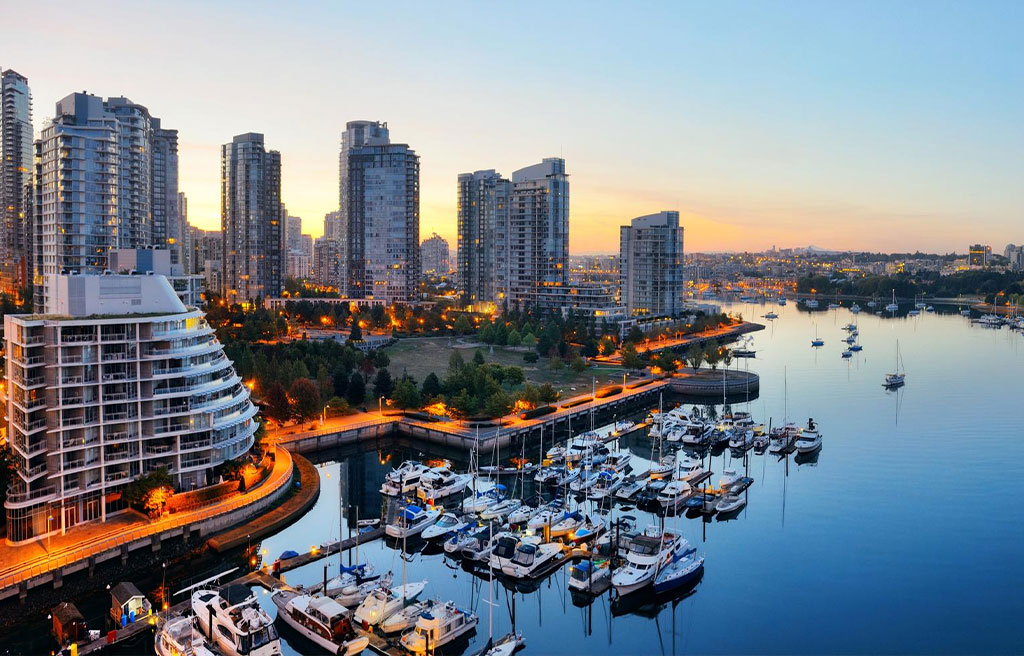
Exploring the Charms of Southwest Washington: Top Attractions in Vancouver, Battle Ground, Salmon Creek, and Camas Nestled in the picturesque landscapes of Southwest Washington, Vancouver, Battle Ground, Salmon Creek, and Camas offer a diverse array of attractions that captivate both residents and visitors. From scenic parks and historic landmarks to cultural treasures, this region boasts a rich tapestry of experiences. Let’s embark on a virtual journey to discover the top attractions in these charming locales. Vancouver: A City of Cultural Delights 1. Fort Vancouver National Historic Site Steeped in history, Fort Vancouver stands as a testament to the region’s past. This reconstructed 19th-century fur trading post allows visitors to step back in time. Explore the bastion, engage with costumed interpreters, and stroll through the beautiful gardens. The fort hosts various events, providing an immersive experience into the Pacific Northwest’s colonial era. 2. Pearson Field and Pearson Air Museum Aviation enthusiasts will find Pearson Field, one of the oldest continually operating airfields in the United States, fascinating. Adjacent to it, the Pearson Air Museum showcases the evolution of aviation in the region. From vintage aircraft to interactive exhibits, the museum offers a captivating journey through the skies of the Pacific Northwest. 3. Officers Row and Providence Academy Wander along Officers Row, a tree-lined street flanked by historic homes that once housed U.S. Army officers. Marvel at the Victorian and Georgian architecture, and don’t miss the Providence Academy. This beautifully restored building, with its iconic clock tower, serves as a reminder of Vancouver’s heritage and now hosts events and cultural programs. Battle Ground: Nature’s Playground 4. Battle Ground Lake State Park For outdoor enthusiasts, Battle Ground Lake State Park is a haven of natural beauty. The serene lake is perfect for fishing, swimming, and boating. Trails wind through lush forests, offering hiking and wildlife viewing opportunities. The park’s campgrounds provide a tranquil escape for those seeking a closer connection to nature. 5. Battle Ground Veterans Memorial Honoring those who served, the Battle Ground Veterans Memorial is a poignant testament to sacrifice and valor. The memorial features statues, plaques, and a Wall of Remembrance, providing a space for reflection and gratitude. It stands as a community tribute to the men and women who dedicated their lives to preserving freedom. 6. Lucia Falls Regional Park Lucia Falls Regional Park is a hidden gem with its cascading waterfalls and scenic landscapes. Picnic areas and hiking trails offer a peaceful retreat, and the falls themselves create a picturesque backdrop for nature enthusiasts and photographers. It’s a place where the soothing sounds of flowing water blend seamlessly with the tranquility of the surroundings. Salmon Creek: Serenity by the Creek 7. Salmon Creek Regional Park A meandering creek, lush greenery, and a network of trails define Salmon Creek Regional Park. This expansive park provides a peaceful escape within nature. Whether you prefer a leisurely stroll, a family picnic, or birdwatching, the park’s diverse ecosystems cater to a range of outdoor activities. The seasonal changes add a touch of magic to this local treasure. 8. Legacy Salmon Creek Medical Center Healing Garden A unique blend of healthcare and nature awaits at the Legacy Salmon Creek Medical Center Healing Garden. This thoughtfully designed space offers patients, visitors, and staff a respite surrounded by flora and fauna. The therapeutic environment promotes healing, making it a standout attraction that seamlessly integrates wellness with the natural world. Camas: Where History Meets Beauty 9. Lacamas Lake Regional Park Lacamas Lake Regional Park epitomizes the scenic beauty of Camas. The lake, surrounded by towering trees and walking trails, provides a serene setting for fishing, kayaking, or simply enjoying the tranquility. The park’s natural allure and recreational opportunities make it a popular destination for locals and tourists alike. 10. Camas Heritage Park and Downtown Step into the past at Camas Heritage Park, where historic buildings and interpretive displays showcase the city’s history. The charming downtown area complements this historical ambiance, offering an array of boutique shops, eateries, and cultural experiences. It’s a delightful blend of old-world charm and contemporary vibrancy. Embracing the Tapestry of Southwest Washington From the historic charm of Vancouver to the natural wonders of Battle Ground, Salmon Creek, and Camas, Southwest Washington unfolds as a region rich in diversity and allure. Whether you’re drawn to the stories of the past, the tranquility of nature, or the vibrant pulse of community life, these top attractions invite you to explore, discover, and savor the unique flavors of this captivating corner of the Pacific Northwest.
Seven Signs Your Home Needs A Professional House Washing
How to Safely Clean Vinyl Siding
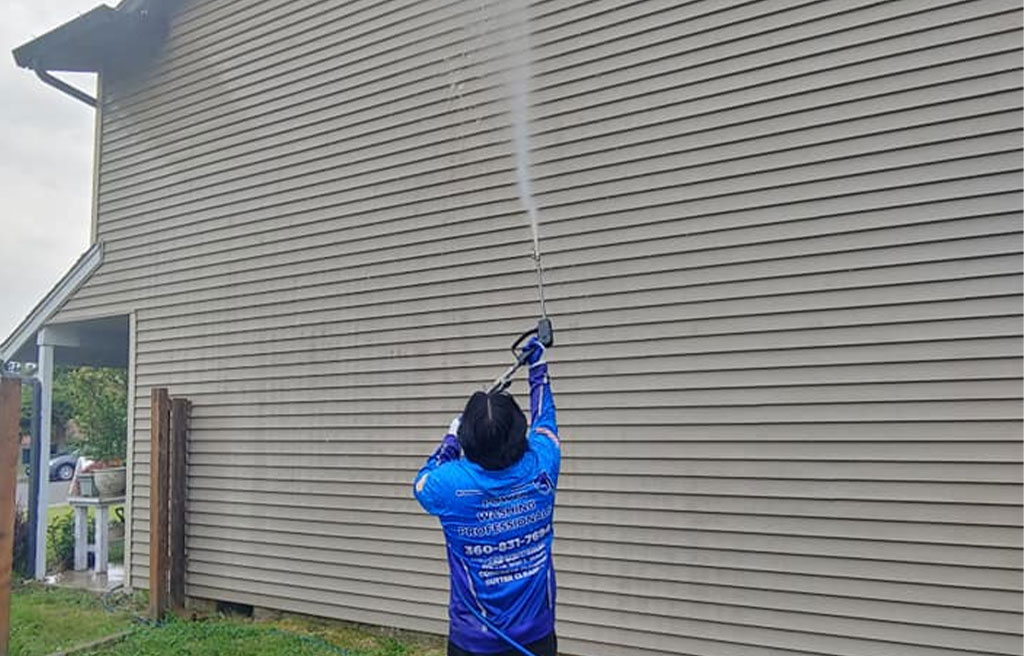
Many pressure washers and people in the pressure washing industry think that cleaning vinyl is as simple as using a pressure washer and high pressure alone. This is not the case. When applying high pressure to the exterior of vinyl siding, it is extremely probable that the homeowner or technician, if not using soaps and detergents, will damage the siding. From the manufacturer, vinyl siding has a smooth clear finish that protects the plastic from UV rays. When too much pressure is applied to the exterior of the surface, that exterior coating or that outside layer that protects the plastic is easily removed and damaged. After the exterior sheen and coating are removed, there is a chalky residual look and feel to the texture of the exterior piece of the vinyl siding. The proper way to clean vinyl siding is by using biodegradable soaps and solutions. By using soaps and solutions prior to applying water to rinse the vinyl siding, the organics are easily broken down and deteriorate before rinsing. This is why it is so imperative to use soaps and detergents and soft wash prior to using pressure washers to clean the exterior of a vinyl-sided home. There are many ways to apply soaps and detergents to the exterior of the home. The best method is by either using a gas, roof pump, air diaphragm pump, or using a 12-volt low-pressure application method. With less than 120 psi, there is very low damage for hurting the exterior of the vinyl siding through high pressure. As the substance and detergents are applied, the technician will then let the soaps and detergents dwell to break down the organics. The cleaning solutions used by industrial pressure washing companies, such as us at Power Washing Professionals, allow moss, mold, mildew, and algae to be broken down from the surface of the exterior. After the organics are broken down with the solution then, the exterior is rinsed with high volume and low pressure. This is accomplished by using large orifice tips and tips that are specifically sized for rinsing. When applying the detergents, the technician always starts from the bottom and works their way up so that the soaps can be applied to the bottom of the vinyl siding. Eaves and exterior gutters are also extremely hard to clean without substance detergents. From our experience out in the field for the last 5 years, we have noticed that in order to clean the exterior of eaves and exterior metal gutter faces, a high-concentration chemical solution is needed to clean those surfaces effectively. Vinyl siding can be cleaned with a much lower concentration rate of sodium, hypochlorite, and surfactants. For example- a roof cleaning mix that is needed to treat moss on an asphalt shingle roof should be treated with at least four and a half to 5% mix, yet the exterior of a vinyl home can be washed with 1.5 to 2% usually. When the technician rinses the home after the soaps and detergents have done their work, the water is then applied from the top and rinsed down the structure. In many cases, a soft bristle brush is needed to brighten up the exterior of the gutters and some hard-to-remove areas. We like to carry a soft brush with a telescoping wand and fill up a bucket with our soap solution to spot-treat areas so that we can control the application of our solutions. House washing and cleaning a vinyl home should be done at least every 1.5 to 2 years, depending on the geographic location of the home or property. Soft washing of the exterior of a vinyl home can reveal extremely dramatic results. We love cleaning the exterior of vinyl homes as when we are done, many times customers think that we have painted their home because it looks so transformationally different.
The Art of Window Cleaning – Tips From the Pros
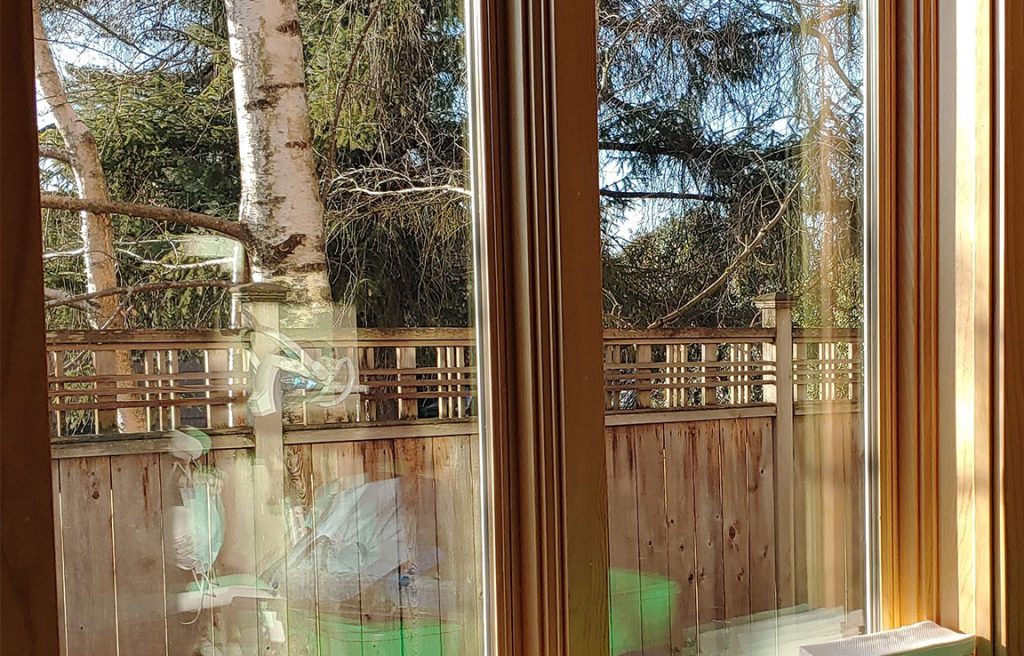
Window cleaning, whether it be commercial or residential, is an art. Is very easy to clean a piece of glass with a paper towel and Windex but to get a professional high-grade quality clean, it takes a different level of knowledge. The knowledge required to clean glass correctly is as follows: There are many factors to consider when cleaning glass, the first of which is the temperature of the glass. If you’re cleaning glass that has a temperature higher than the ambient temperature of the environment or over 80°, then your cleaning solution will spot and drive very quickly. There are many ways to combat this, but the best thing to do is to try to clean glass, not directly in the heat of the sun. If you do need to clean glass directly in the sun, there are some best ways to mitigate the temperature, such as cooling the glass down with water prior to cleaning the glass with a solution. Before cleaning the glass, it is best to have all of your supplies lined out and ready to go. Hand tools are always the best way to clean glass. A squeegee, a microfiber hand tool with a surgical towel, and some Dawn dish soap, these are always your best tools. In the window washing community, there are many new tools always coming up ready for use out in the field. The most effective tools have been around for a long time and are listed above. If you are cleaning screens, there are some really nice tools that you can purchase to make screen cleaning much easier, but if you’re just getting started, you can take the screens out by hand and clean them with the hose and a soft brush or a large soft sponge. Cleaning the tracks can be done in quite a few different ways. The easiest way to clean the tracks is to saturate it with water and absorb it with terry cloths. After you have removed the screen, cleaned the screen, and cleaned the tracks, you can now clean the glass itself. To clean the glass, take your Dawn dish soap and your window cleaning bucket and get the window cleaning tools wet. Once the squeegee is wet, you can apply the soap solution and saturate the whole window. After the whole window is covered in your glass cleaning solution, you will clean the upper and side portions of the frame with your surgical towel. After you have started to create a small dry passage for your squeegee, you can squeegee from top to bottom or in your S-style technique. Regardless of how you squeeze, just make sure that you overlap and try to dry the squeegee in between each pass of the window. After you use your squeegee to dry the window, use your surgical towel to touch up any areas that need cleaning and detail work. It is very easy to do this process and miss something. In order not to miss something. Make sure that you lean back and look at the glass from many different angles to look for detailed work. Once you’re confident that the piece of glass is fully clean without any streaks, you can now put the dry window screen back on the frame. The process for cleaning the interior of the window is exactly the same as cleaning the outside. The only difference is you will not have a screen to remove. Hard water stains require a different cleaning procedure. Hard water can come about for a myriad of reasons. Typically this is because of the source water in the area, whether it be from a municipal water source or from rain on the window. In some extreme cases, buffing wheels are needed to remove all of the hard water stains from the surface of the glass. Another way to effectively clean window surfaces is with a water-fed pole. Water Fed poles use a specialized filter that reduces all hard water and minerals from the water source. Once the water source is filtered, then it is moved through a small 1/8-inch line and pushed through a brush head. The brush head is used to agitate the glass and clean the glass. This does get Windows clean and leaves many customers happy, yet in many cases, a hand clean is much more superior and is what the customer requests specifically. This is how we like to clean windows at power washing professionals.
Ladder Safety
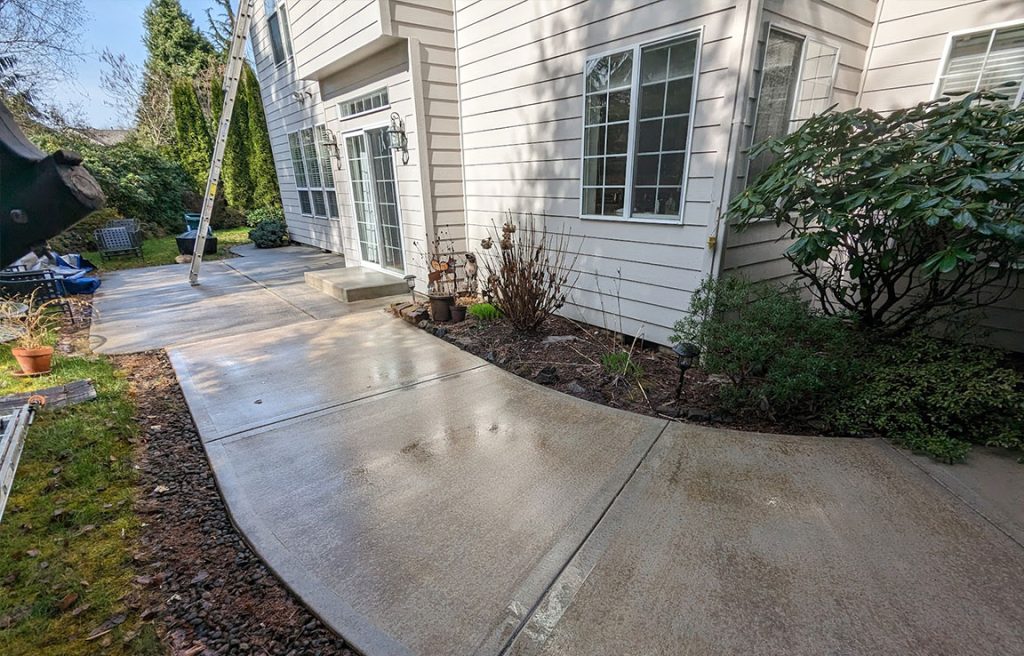
Ladders are a common tool used in many industries, from construction and maintenance to retail and hospitality. While ladders are essential for tasks that require reaching high places, they can also be incredibly dangerous if not used properly. According to the Occupational Safety and Health Administration (OSHA), falls from ladders account for over 20% of all workplace fatalities. In this blog post, we will discuss some important tips and guidelines for ladder safety that can help prevent accidents and injuries. Improper use of ladders is one of the leading causes of accidents and injuries in the U.S. For its seventh year, the American Ladder Institute (ALI) is sponsoring National Ladder Safety Month to raise awareness of ladder safety. They hope to decrease the number of ladder-related injuries and fatalities both at home and in the workplace by focusing on learning how to use this equipment safely. Use the right type of ladder for the job and maintain good climbing habits to avoid falling. Just about every business and home has a ladder. They are a quick and easy way to get up high. Many people use them to access the roof of their building or throughout the construction process and when working with utilities, but this equipment can easily lead to injury and even death when not used properly. According to the CDC, each year, around one hundred people die, and thousands more are injured from ladder-related falls. They regularly make the yearly top 10 workplace safety citations on OSHA’s list of the most hazardous work-related risks. But these deaths and accidents can easily be prevented by making sure you are using your ladder correctly. Choose Search by product name, product # Search by product name, product # Free US shipping on orders $199 or more. Learn more Home / Blog / National Ladder Safety Month National Ladder Safety Month Posted by PK Safety Team on Fri Mar 03rd, 2023 Search our Blog Improper use of ladders is one of the leading causes of accidents and injuries in the U.S. For its seventh year, the American Ladder Institute (ALI) is sponsoring National Ladder Safety Month to raise awareness of ladder safety. They hope to decrease the number of ladder-related injuries and fatalities both at home and in the workplace by focusing on learning how to use this equipment safely. Use the right type of ladder for the job and maintain good climbing habits to avoid falling. Just about every business and home has a ladder. They are a quick and easy way to get up high. Many people use them to access the roof of their building or throughout the construction process and when working with utilities, but this equipment can easily lead to injury and even death when not used properly. According to the CDC, each year, around one hundred people die, and thousands more are injured from ladder-related falls. They regularly make the yearly top 10 workplace safety citations on OSHA’s list of the most hazardous work-related risks. But these deaths and accidents can easily be prevented by making sure you are using your ladder correctly. Keep these tips in mind when scaling heights on a ladder: Choosing a Ladder Staying safe means using the right type of ladder for the job. Ladders can vary in height — anywhere from several feet to over 40 feet high. Ladders that are too short or too tall can be hazardous. Measure the maximum height of the surface area you need to reach, such as the roof or gutters of the building. You can use either a leaning extension ladder or a self-supporting step ladder. There are ladders that can be used in confined space descent and rescue like the DBI Rollgliss Synthetic Rescue Ladder or the French Creek Flexible Access Ladder. These need to be long enough to reach the When choosing an extension ladder, find a ladder that is seven to twelve feet higher than the height of the gutters or support point. Use a 16-foot ladder when trying to reach a 9-foot height. Use a 40-foot ladder to reach 28 to 31 feet off the ground. When using a step ladder, you generally need one that’s four feet shorter than the maximum height you’re trying to reach. For example, if you need to reach a level seven feet off the ground, use a ladder that’s three feet high. If you need to reach a 20-foot height, use a 16-foot ladder. The top cap should not be used as a step. Ladders can also be made of different materials, including fiberglass, wood, aluminum, steel, or polyester webbing. Fiberglass ladders tend to be the most expensive and the most reliable. They are electrically non-conductive, which means they are safe to use around electrical wires. Do not use a metal ladder when working near electrical equipment or wires to prevent electrocution. Wood ladders are also non-conductive when they are clean and dry, but they can break apart over time. The wood can chip and spread debris, making the ladder less structurally sound. Metal ladders should only be used in areas free of electrical equipment. They are lightweight, durable, and come with corrosion resistance. Confined space rescue and descent ladders that are made of webbing should be examined before each use to ensure there is no damage to the webbing or stitching. Examine the work site to make sure you are using the right ladder for the job. When using a ladder for a specific task, inspect it for damage. If any part of the ladder appears weak or loose, remove it from circulation and buy a new ladder right away. Climbing the Ladder Put the ladder in position and check to ensure it feels stable and secure before climbing. You should be wearing shoes with a firm grip and safety gloves if necessary. Inspect the steps and handles on the ladder to see if they are dry. Avoid climbing the ladder when wet to reduce your chances of slipping. The
What is Roof Soft Washing
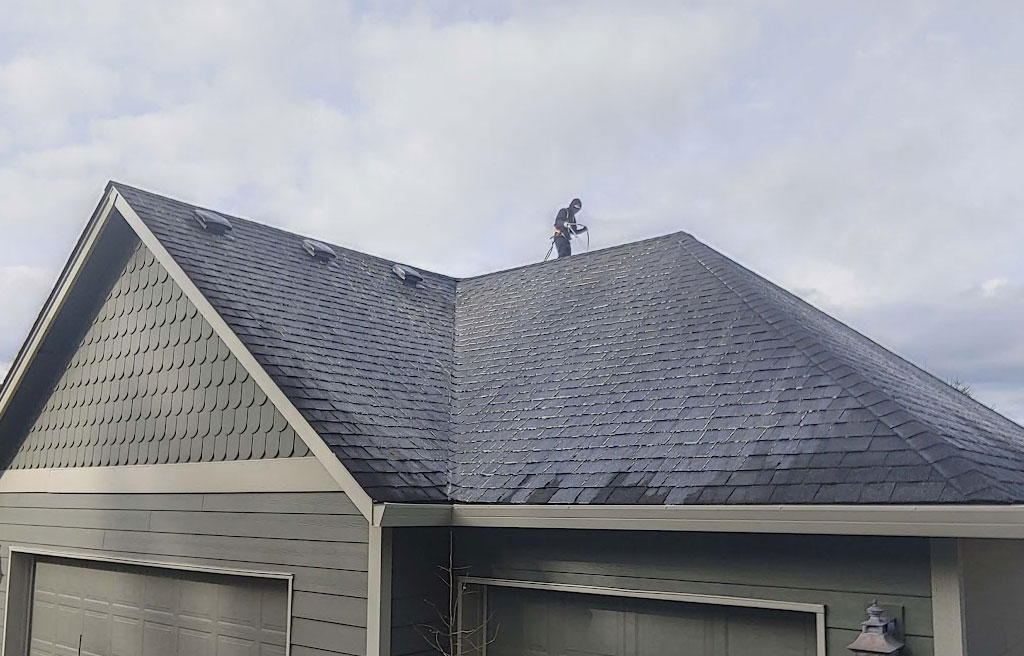
Roof soft washing is a process that involves using a low-pressure application of a specialized cleaning solution to remove dirt, grime, and other contaminants from roofs. The cleaning solution is designed to kill algae, mold, and other organisms that can damage a roof’s shingles, tiles, or other roofing materials. The process is safe and effective and can help to extend the life of a roof. Why Soft Washing? Traditional roof cleaning methods often involve the use of high-pressure washing equipment. However, high-pressure washing can damage roofs by dislodging shingles, breaking tiles, and causing leaks. High-pressure washing can also force water and cleaning solution under shingles, causing damage to the roof deck and potentially leading to rot and other issues. Soft washing is a much gentler method of cleaning a roof. The process involves using a low-pressure nozzle to apply the cleaning solution to the roof. The solution is left on the roof for a period of time to allow it to work its way into the surface of the roof and kill any algae, mold, or other organisms that may be present. After the cleaning solution has had time to work, it is rinsed away using a low-pressure rinse. The Benefits of Roof Soft Washing There are many benefits to having a roof soft washing performed on your home. Some of these benefits include: Improved Curb AppealOne of the most obvious benefits of roof soft washing is improved curb appeal. A dirty, stained roof can make a home look unkempt and unattractive. Soft washing can remove unsightly stains and restore a roof to its original color, making a home look more inviting and attractive. Extended Roof LifeAlgae, mold, and other organisms that grow on a roof can cause damage to roofing materials over time. By killing these organisms with a soft washing solution, a roof can last longer and require fewer repairs over its lifespan. Reduced Energy CostsRoofs that are covered in algae and other growth can absorb more heat from the sun, which can lead to higher energy costs as air conditioning systems have to work harder to keep a home cool. By removing these growths, soft washing can help to reduce energy costs and make a home more energy-efficient. Improved HealthAlgae, mold, and other organisms that grow on a roof can be harmful to human health, particularly for individuals who suffer from allergies or respiratory issues. Soft washing can remove these organisms, improving the air quality around the home and reducing the risk of health problems. The Soft Washing Process The soft washing process typically involves the following steps: InspectionBefore the soft washing process begins, the roof is inspected for any damage or other issues that need to be addressed. Any broken tiles or damaged shingles are repaired, and any other issues are addressed before the soft washing process begins. Cleaning Solution ApplicationThe cleaning solution is then applied to the roof using a low-pressure nozzle. The solution is allowed to sit on the roof for a period of time, typically around 20-30 minutes, to allow it to work its way into the surface of the roof and kill any algae, mold, or other organisms that may be present. RinseAfter the cleaning solution has had time to work, it is rinsed away using a low-pressure rinse. This rinse removes the cleaning solution and any dirt or grime that may have been loosened by the solution. InspectionAfter the soft washing process is complete, the roof is inspected again to ensure that all contaminants have been removed and that there are no issues that need to be addressed. The Importance of Hiring a Professional While roof soft washing may seem like a simple process, it is important to hire a professional to perform the work.