What Is Pressure Washing?
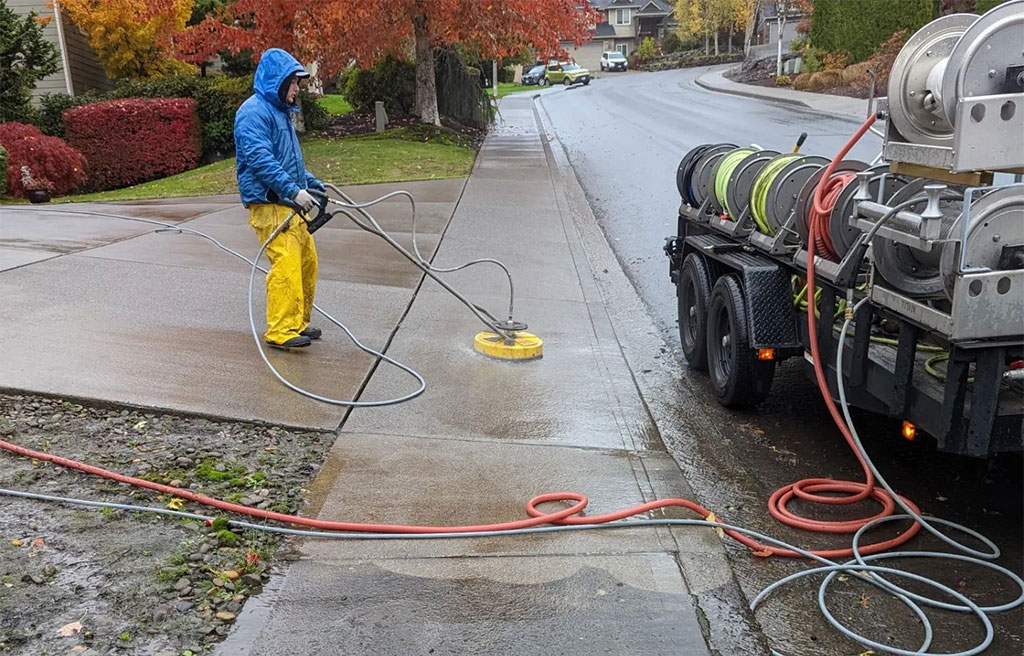
A pressure washer is great for cleaning a variety of surfaces and removing tough stains. But what’s the difference between pressure washing, soft washing, and hot washing? While these are all considered great ways to clean a dirty or stained surface, each cleaning method should be used for different purposes. To learn more about these three washes, their intended uses, and the benefits associated with each, read on. What Is Pressure Washing? Pressure washing is a type of wash that utilizes an electric or motor machine (known as a pressure washer) to expel a high-pressurized stream of water on a surface and remove dirt, grime, stains, and other debris. This type of wash is preferred by industrial cleaners and at-home users for its versatility and effectiveness at removing a wide variety of stains. Since the power of the stream is also adjustable, you can use it to clean several different surfaces. Here are some of the common uses for a pressure washer: As you can see, pressure washing can work on just about any outdoor surface when the pressure stream (PSI) is adjusted. And when paired with an industrial-grade cleaning solution, the possibilities for stain removal are endless. It’s important to note that pressure washing is not the same as power washing. While the two are very similar, there is one distinguishing factor: the water temperature. A pressure washer uses a room temperature water stream to clean, while a power washer uses a warm or hot water stream, making it suitable for use on durable surfaces. For example, you’d likely use a pressure washer to clean a window rather than a power washer. The same can be said of painted walls—if your intention is not to remove the paint, then choose a pressure washer and set the PSI low. So while pressure washing and power washing are often used interchangeably, it’s important to recognize the key difference of temperature between the two. We’ve discussed the importance of adjusting the pressure of the water stream, also known as the PSI (pounds per square inch), in order to protect the structure and appearance of the surface that is being cleaned. For more delicate surfaces, the PSI must be decreased, but for tougher surfaces like sidewalks, the PSI must be increased. Depending on which PSI you use for the job, your pressure washer will fall into two categories: Each process depends on the PSI you choose during a pressure washing job. Looking at figure one below you can see how PSI affects what pressure washing tasks take place. PSI pressure washing Check out the following sections for a more extensive overview of these two pressure cleaning processes. What Is Soft Washing? Soft washing is a term used to refer to a pressure wash where the handler uses a low-pressurized stream of water to remove stains, dirt, and other grime from a surface. To achieve a soft wash using a pressure washing system, you must lower the PSI, and in some cases, change out the nozzle attachment. However, there are specific machines known as soft washing systems that are intended strictly for soft cleaning and only use a low PSI. For reference, soft washing systems tend to have settings with 500 PSI and lower, while pressure washing systems tend to have settings with 300-3100 PSI. Soft Washing System Uses If you have a surface that you’d like to clean but are not sure if a high-pressurized blast is safe, then opt for a soft clean. Soft cleaning is great for use on crumbling or delicate surfaces such as: This is by no means a complete list of all the surfaces a soft washing system can clean, but it does help show the versatility this wash has, especially when it comes to cleaning the exterior of your home. Benefits of Soft Washing Soft cleaning is a great choice for homeowners who want to keep the outside of their home looking spick-n-span without having to worry about causing any damage. Here are only a few of the benefits of soft cleaning: Decreases risk of damage If the high-pressurized blast of pressure washing intimidates you, or you’re not sure which PSI to use, then using a soft washing attachment or system instead can help you decrease the chances of damaging your surface. Increases curb appeal & longevity of your house. Since this delicate wash is used mostly to clean the exterior of homes, it helps make your home look like new. Not only does it increase your home’s curb appeal, but the longevity of your home. Keeping up with your soft washing helps remove bacteria, algae, and other debris from your home that can cause long-term and expensive damage. Eco-friendly Soft washing only consists of water. If you want to get the most out of your wash, then pair the low-pressurized stream with a biodegradable cleaning solution for the most effective and eco-friendly clean. What Is Hard Washing? Hard washing refers to the process of cleaning a surface with a high-pressurized blast. When you think of pressure washing, this is the kind of washing you most likely think of. The PSI is normally set to 1000 or higher depending on the durability of the surface and the toughness of the stain trying to be removed. Hard Washing Uses Hard washing is most often left to the professionals who know the right PSI to use for each surface. Like soft cleaning, this process also is made more effective with the use of an industrial-grade cleaning solution to get out tough stains. Hard washing and pressure washing are synonymous when it comes to using a high-pressurized blast for this pressure cleaning system. Here are a few durable surfaces where a hard wash is preferable over a soft wash: Benefits of Hard Washing As with pressure and soft cleaning, there are several benefits associated with hard cleaning. Perfect for resilient stains If you’ve tried everything to remove a stain and it just won’t budge, then hard cleaning can